Momijigari Meaning: Heian Roots, Momiji Tempura and Momiji Manju
 Written by Mei · IKOKA Japan
Momijigari meaning explained: why Heian nobles went to the mountains for autumn leaves, plus momiji tempura in Minoh and momiji manju on Miyajima.
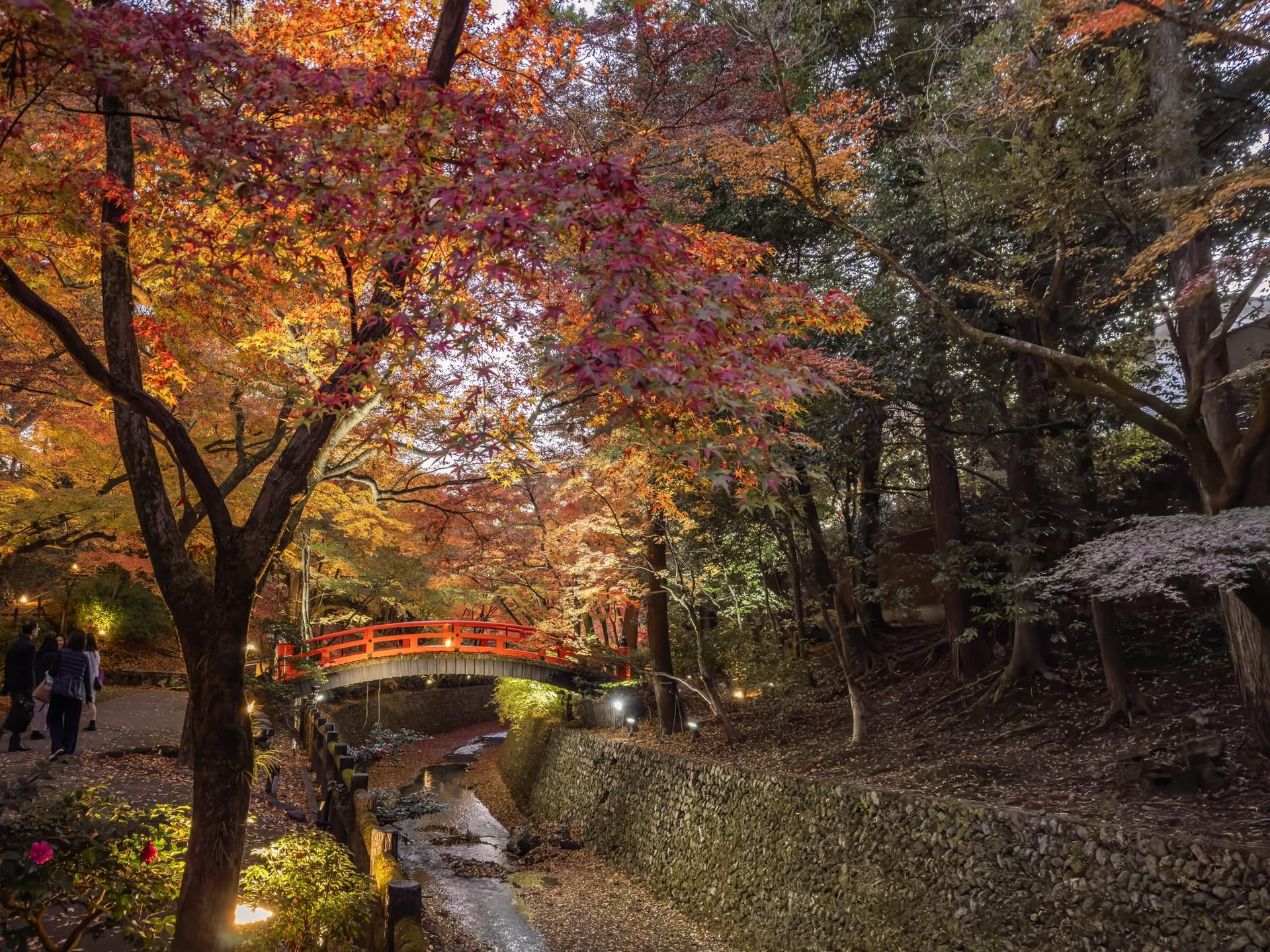
The momijigari meaning is easiest to grasp in one scene. Halfway up the path to Minoh Falls in late autumn, the smell is the first surprise: something sweet and toasty frying in big pans by the shop fronts. Look closer and the snack in everyone's hand is shaped exactly like a maple leaf, because it is one.
That is the delicious side of momijigari, Japan's autumn-leaf outing. Below: what the word means, why Heian nobles had to leave the city to do it, and the three maple-leaf treats you can still eat on a momijigari trip today: momiji tempura in Minoh, momiji manju on Miyajima, and its fried cousin, age-momiji.
Momijigari meaning: "hunting" for autumn leaves
Momijigari (紅葉狩り) is made of momiji, the red autumn leaves, and gari, "hunting." Nobody picks anything, though. It means going out to admire autumn leaves, a custom that dates back to the Heian period.
The leaves run deep in everyday Japanese. A baby's small hands are even described as "hands like tiny maple leaves".
Momijigari origins: why Heian nobles went to the mountains
Momijigari first became popular among the court aristocracy living in Kyoto. Spring was easy for them: they had cherry trees in their own gardens. Autumn was different. There were no trees at home to admire autumn colours, so they made excursions to the mountains to find them.
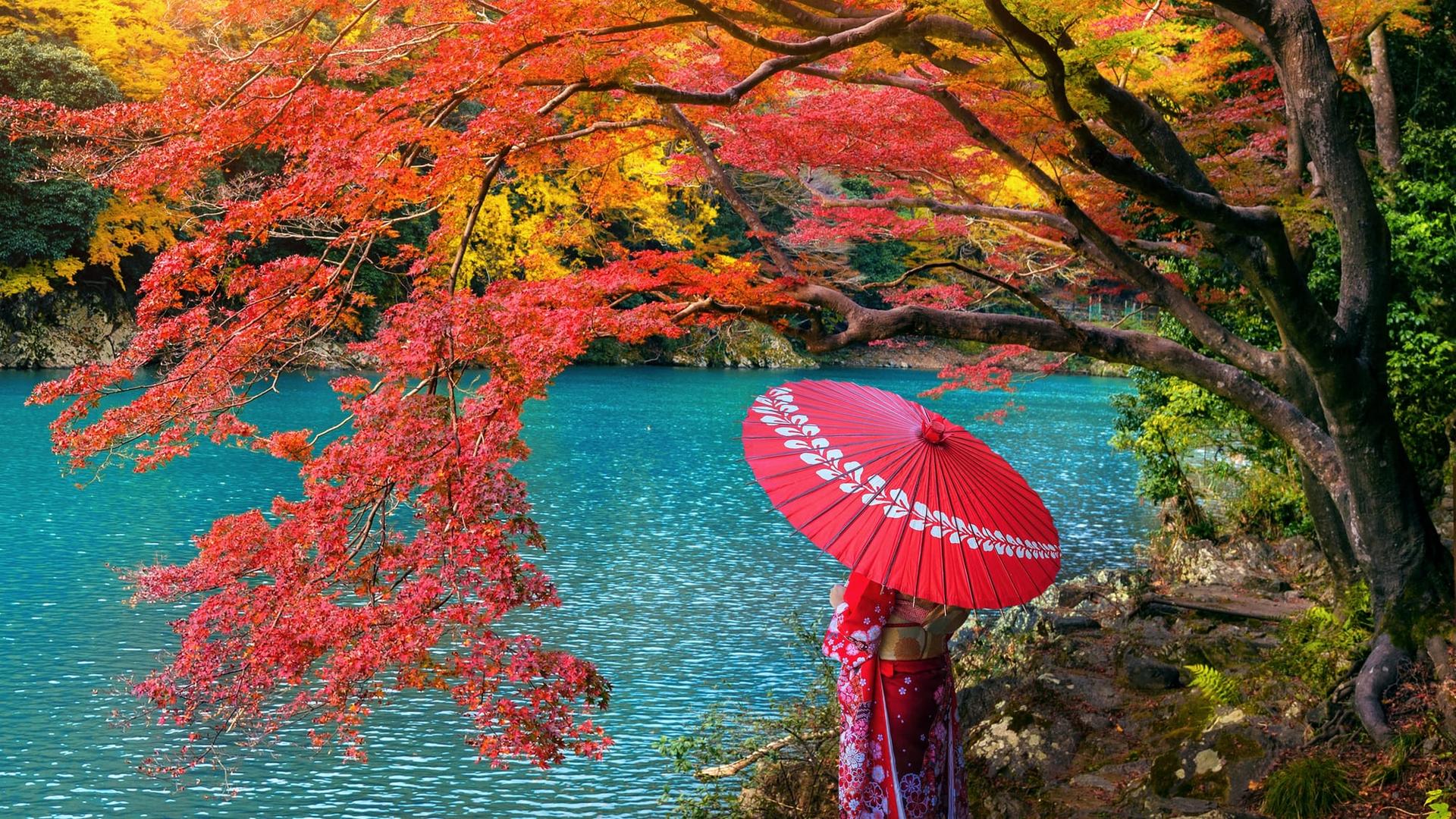
Once there, they composed music and poetry with the red leaves as the backdrop. You can still find momijigari in the classics, including the Kokin Wakashu poetry collection and The Tale of Genji. Over the centuries the custom spread to ordinary people, and by the mid-18th century it was widely popular.
That "go out and find it" spirit is why momijigari still feels like a small trip, not just a look out of the window. And where people travel, snacks follow.
Three maple-leaf foods at a glance
| Food | Where it comes from | What it is | Good to know |
|---|---|---|---|
| Momiji tempura | Minoh, Osaka | Maple leaves salted for a year, fried in sweet sesame batter | Sold all year, can sell out in leaf season |
| Momiji manju | Miyajima, Hiroshima | Maple-shaped cake with red bean paste | 100+ flavors today |
| Age-momiji | Miyajima, Hiroshima | Momiji manju fried in tempura batter | Sold by Momijido |
Momiji tempura in Minoh: yes, you eat the leaf
Momiji tempura is the signature souvenir of Minoh, north of Osaka. Local tradition says it began about 1,300 years ago, when the mountain ascetic En no Gyoja, training on Mount Minoh, was moved by the maple leaves against the waterfall and served them as tempura to travelers. One version says he fried them in lamp oil.

It is not the savory tempura you dip in sauce. The batter is wheat flour with white sesame and sugar, fried in rapeseed oil, so the result is crisp, fragrant and lightly sweet. JNTO describes the general idea simply: maple leaves salted or sugared, then fried in tempura batter.
The surprising part is the leaf itself. Minoh shops use only Ichigyoji maple, a variety with large, thin leaves and shallow lobes. The leaves are salted for a full year, then desalted and fried slowly for about 20 minutes. So the momiji tempura you buy this autumn was picked in an earlier season. Every shop's taste is a little different, and many visitors compare them.
Minoh Falls: walk the leaves, snack on the way
Minoh is about 30 minutes by train from Umeda in central Osaka. Minoh Falls, one of Japan's Top 100 Waterfalls, has long been loved as an autumn-leaves spot.

The 2.7 km walk to the falls takes about 40 minutes even at a slow pace, on a gently sloping paved road, so everyday shoes are fine. Momiji tempura is sold all year, but many shops close on irregular days and it can sell out in the leaf season, so buy a bag when you see one.
Information rechecked on November 4, 2026.
Momiji manju: a ryokan's request on Miyajima
Further west, in Hiroshima Prefecture, the island of Miyajima has its own maple-leaf sweet. Momiji manju was born on Miyajima and has been loved since the Meiji era. It is usually a castella-style cake filled with red bean paste, and today there are more than 100 kinds, including chocolate and cream.

Its story starts with a ryokan. The proprietress of Iwaso, an inn in the Momijidani valley, asked confectioner Takatsu Tsunesuke for a sweet worthy of the name "Momijidani" to give to important guests. JNTO notes it was created in the early 1900s to represent Momijidani, Miyajima's famous maple-viewing spot. The maple shape fits for another reason: the maple is Hiroshima's prefectural flower and was also the tree of Miyajima town.
In the late Showa era, comedian Shimada Yoshichi of the duo B&B turned "momiji manju!" into a gag, and the sweet became famous nationwide. You can buy it across Hiroshima Prefecture, but on Miyajima you can also watch it being made.
Age-momiji: momiji manju, fried
If momiji tempura is a fried leaf, age-momiji is a fried leaf-shaped cake. Momijido, a Miyajima confectioner founded in 1912, started selling age-momiji, its momiji manju coated in batter and fried like tempura.

Our suggestion for a Miyajima momijigari: walk up to Momijidani first, then reward yourself with a warm age-momiji on your way back.
Plan your own momijigari
Before you pick a valley, check when the leaves actually turn. Our Kyoto forecast tracks temple peaks and light-ups:
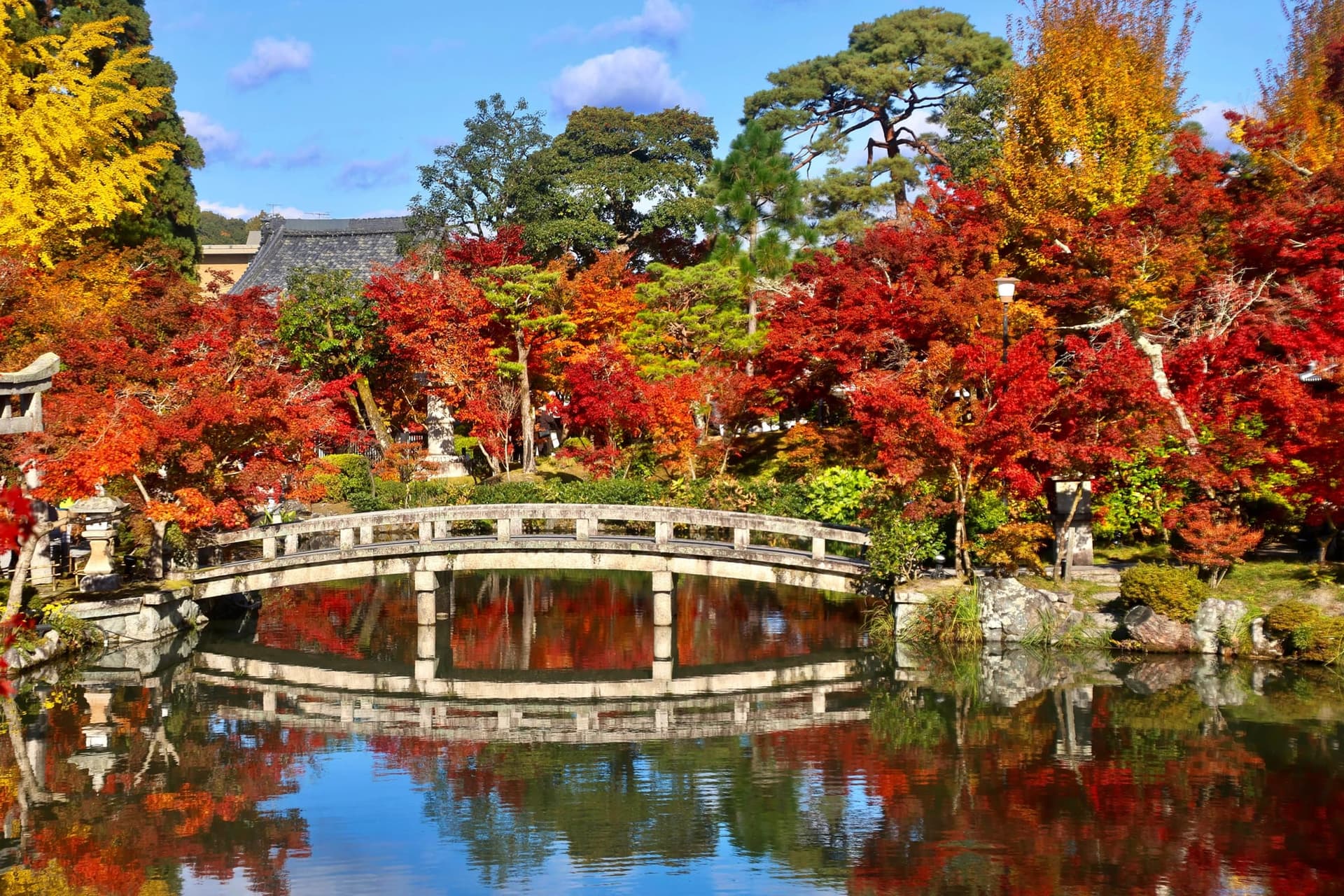

Hungry for more autumn food stories? These two go perfectly with a maple-leaf snack:


Would you try a maple leaf fried in sweet batter, or are you team momiji manju?
Places in this article: how crowded are they now?
Hour-by-hour estimates (LEVEL 1–5). Tap a place to see today’s calmest times.
 Minoo Park (Minoo Falls)Osaka · NatureQuieter at 15:00 · 16:00Crowd LEVEL 2/5 · Calm (estimate)
 Miyajima (Itsukushima Shrine)Hiroshima · Shrine & templeQuieter at 17:00 · 18:00Crowd LEVEL 3/5 · Moderate (estimate)
Sources
Facts in this article were checked against these official sources.
Photo credits
Photo: IKOKA · shutterstock shutterstock-unlimited
Comments
Anyone can comment with just a nickname. Comments with links or contact details are published after review.
Loading comments…