Okayama Station Ekiben: The Peach-Box Sushi and the Story of Ekiben
 Written by Mei · IKOKA Japan
Okayama Station ekiben guide: what ekiben means, where the first one may have come from, and why Momotaro no Matsurizushi comes in a pink peach box.
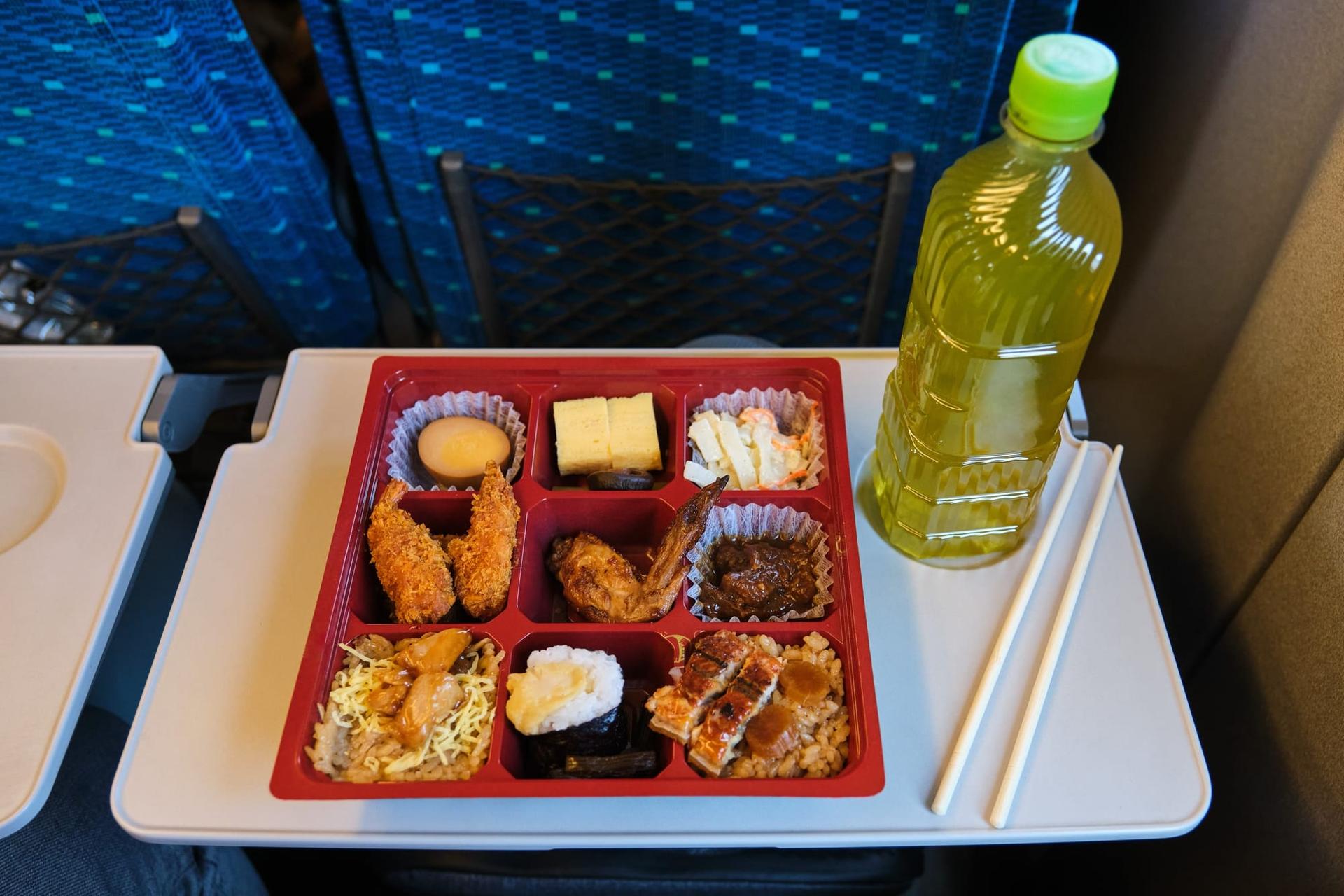
Tray table down, the train starts rolling, the lid comes off... and inside there's a whole festival. That's the Okayama Station ekiben everyone talks about: Momotaro no Matsurizushi, festival sushi in a pink peach-shaped box, first sold as "Matsurizushi" in 1963 and listed at ¥1,250 on the maker's online shop.
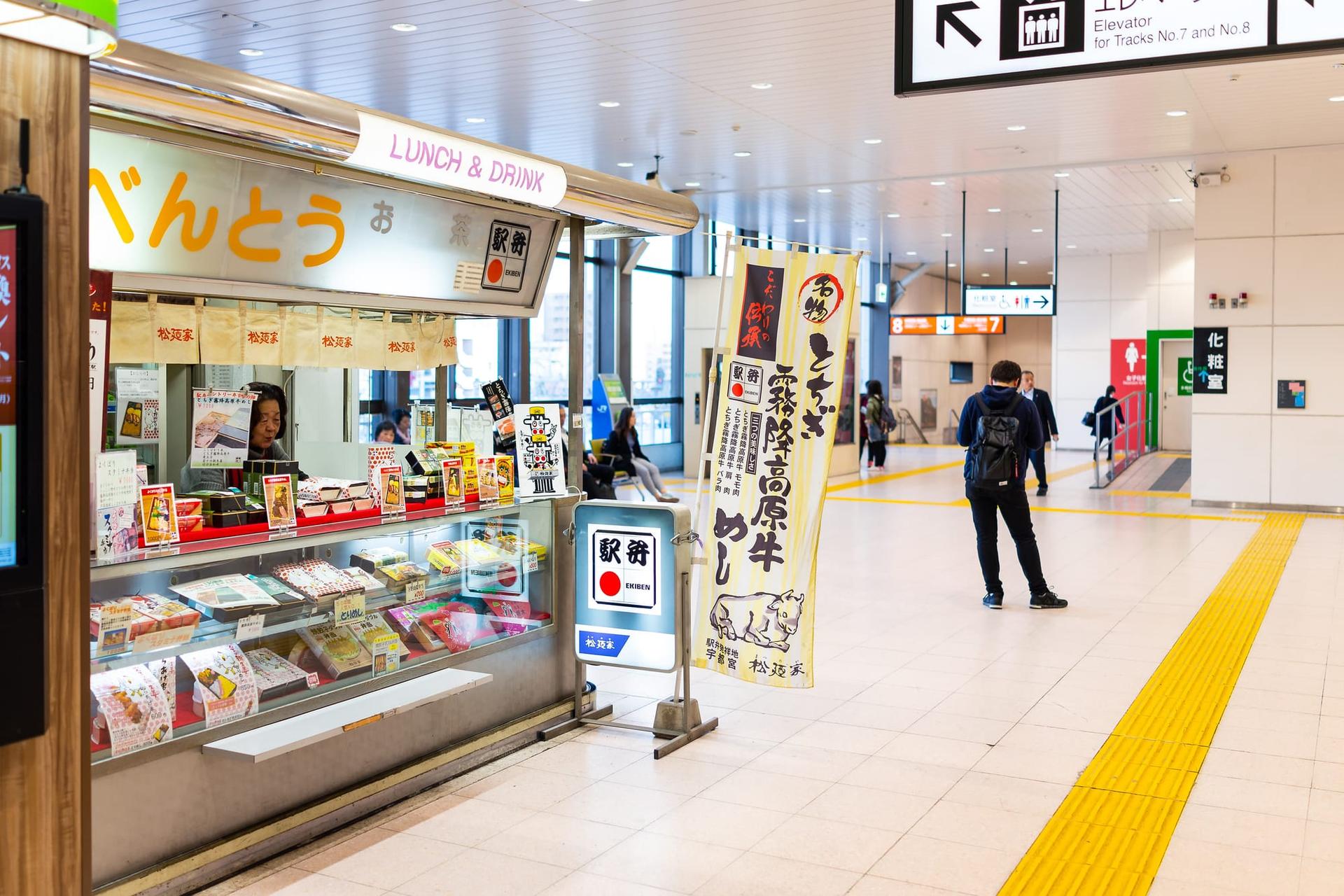
So what is an ekiben? Ekiben (駅弁) means "station bento": a boxed meal sold at the station and eaten on the train. Simple name, big tradition.
Information rechecked on November 13, 2026.
What Is Ekiben in Japan? (駅弁とは)
It's short and sweet: eki (station) + ben (bento). A bento you grab on the platform, open by the window, and eat while the scenery slides past. Is there a better kind of lunch? Honestly, hard to beat.
There's even an official badge. The Japan Railway Station Concession Association, set up in August 1946, created the "ekiben mark" in 1988 and trademarked it for ekiben made and sold by its members. Spot the little red circle on the lid and you know it's the real thing.
Ekiben History: Where Did the First One Come From? (駅弁 発祥)
Japan's first railway opened between Shimbashi and Yokohama in 1872. The ride was short, so nobody needed lunch. As lines grew longer, food on the platform started to matter.
The most famous story? Utsunomiya, 1885: an inn called Shirakiya wrapped rice balls in bamboo sheath and sold them at the new station. But it's a theory, not a proven fact. There are several origin stories and no hard evidence. Even Okayama's oldest ekiben maker says there are many theories.
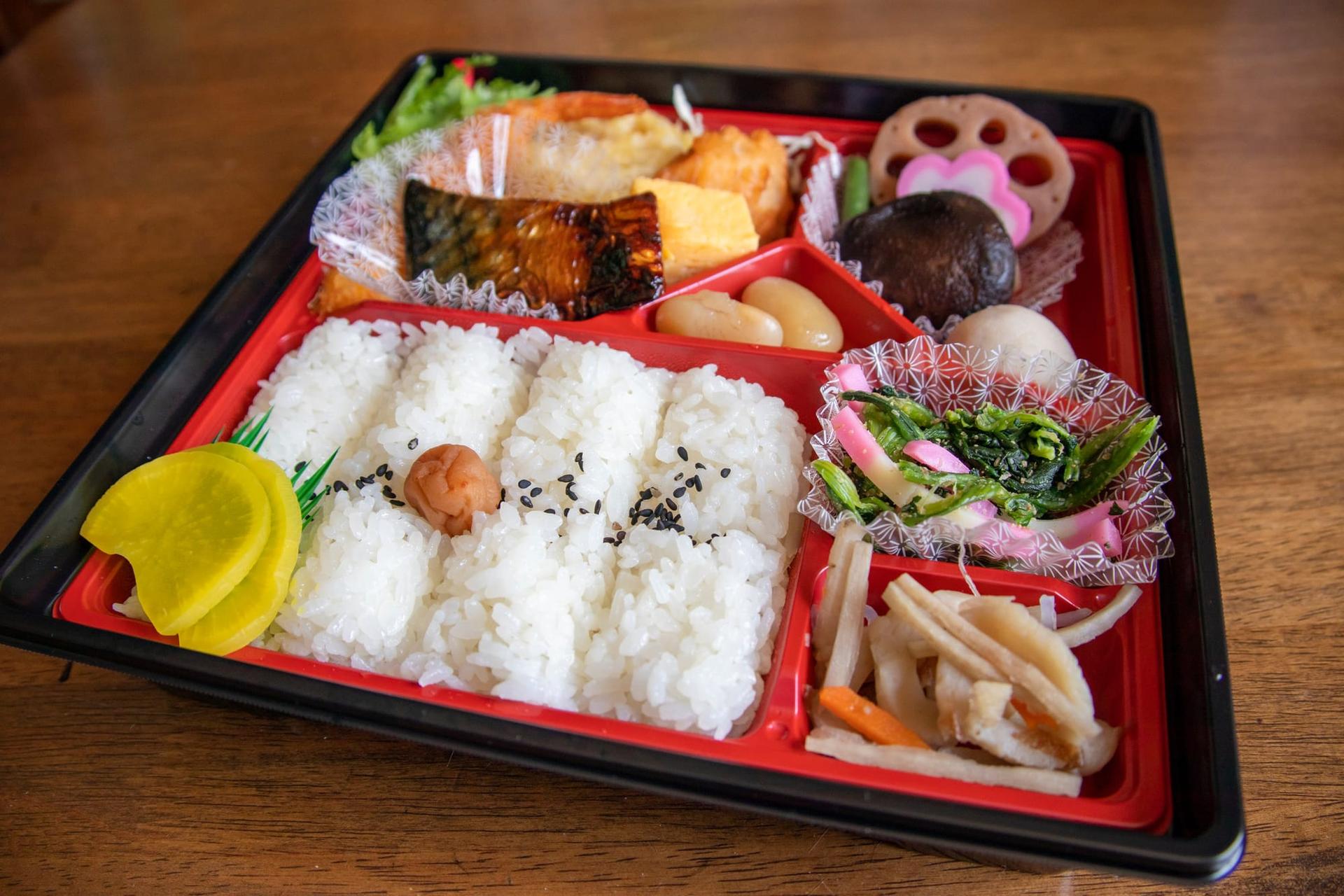
Then in 1889 Himeji Station on the Sanyo Line sold a makunouchi bento in a wooden box, and that style (kamaboko, rolled omelet, grilled fish) became the ekiben standard. The boxed makunouchi shape we know today is said to date from the mid-Meiji period.
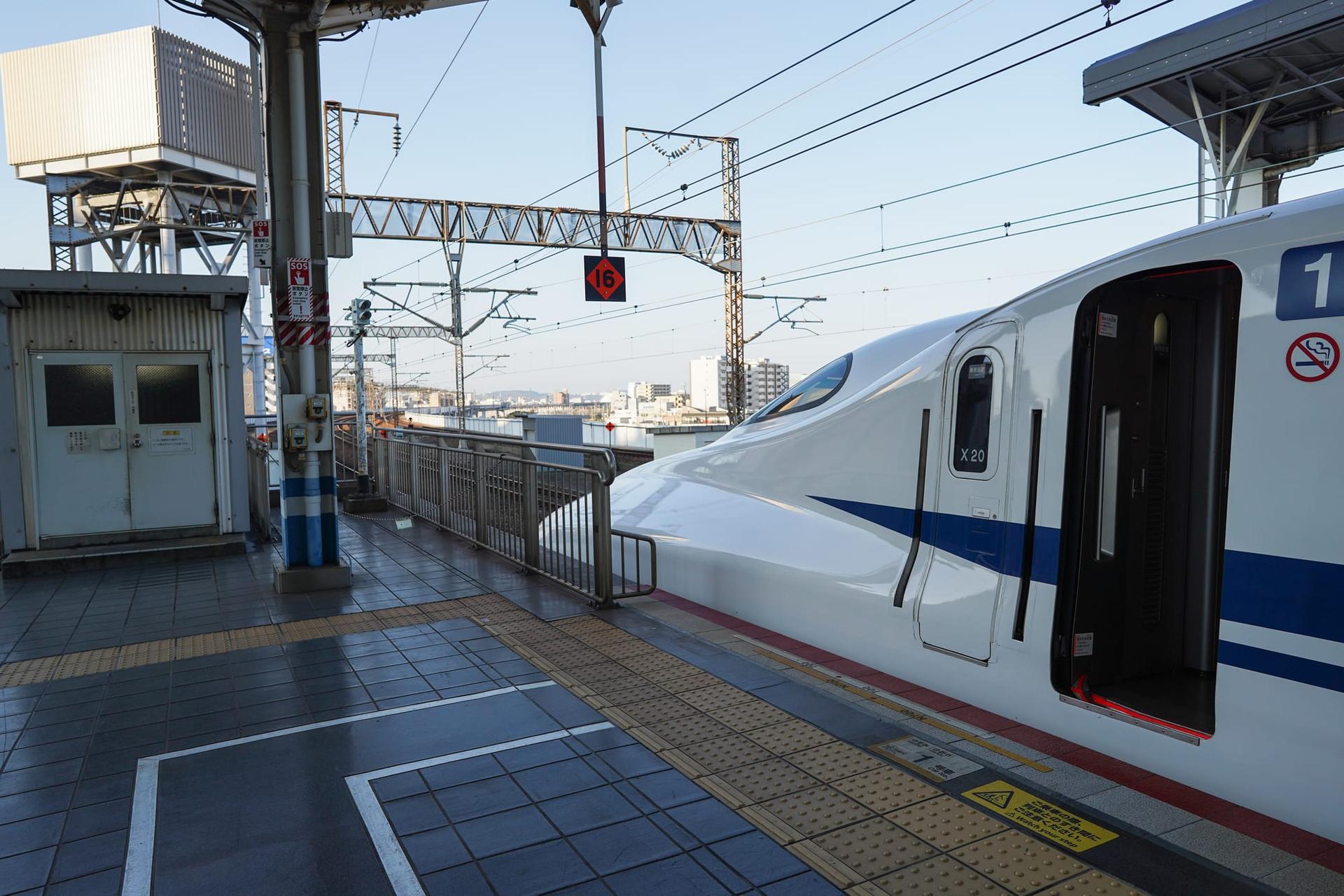
And then the best twist. Around the Meiji 30s, when an express from Tokyo to Osaka took about 16 hours, stations started selling ekiben built around their own local specialties. That's the moment ekiben turned into edible souvenirs.
Okayama Station Ekiben (岡山駅 駅弁): The Peach Box Everyone Talks About
Okayama's story starts early. Miyoshino Honten began serving tea and selling bento inside Okayama Station in 1891, and its first ekiben were rice balls with narazuke pickles. The company's roots go back even further, to a rice merchant in Saidaiji in 1781.
In 1963 came "Matsurizushi." Okayama already loved its home-style barazushi, but mixing ingredients like dried gourd into the rice didn't keep well enough for a train ride, so the toppings went on top and the dish got a new name. Later it moved into a peach-shaped container inspired by the Momotaro legend, and became Momotaro no Matsurizushi.
And people really, really love it. JR West's magazine described it as a signature item that sells 300 boxes a day inside Okayama Station, and Japan's agriculture ministry calls it a long seller of more than 50 years. 300 a day. For one lunchbox. Let that sink in.
Why it's called "festival" sushi: barazushi and a very strict lord
Now for the best story in the box. Matsurizushi, also called Okayama barazushi or Bizen barazushi, is the dish families make for festivals, celebrations and guests.
The legend: in the Edo period, Okayama's lord Ikeda Mitsumasa ordered common people to eat only "one soup and one side." So people tucked about ten kinds of seasoned vegetables and seafood into their sushi rice and called it... one dish. Rebellion, but make it delicious.
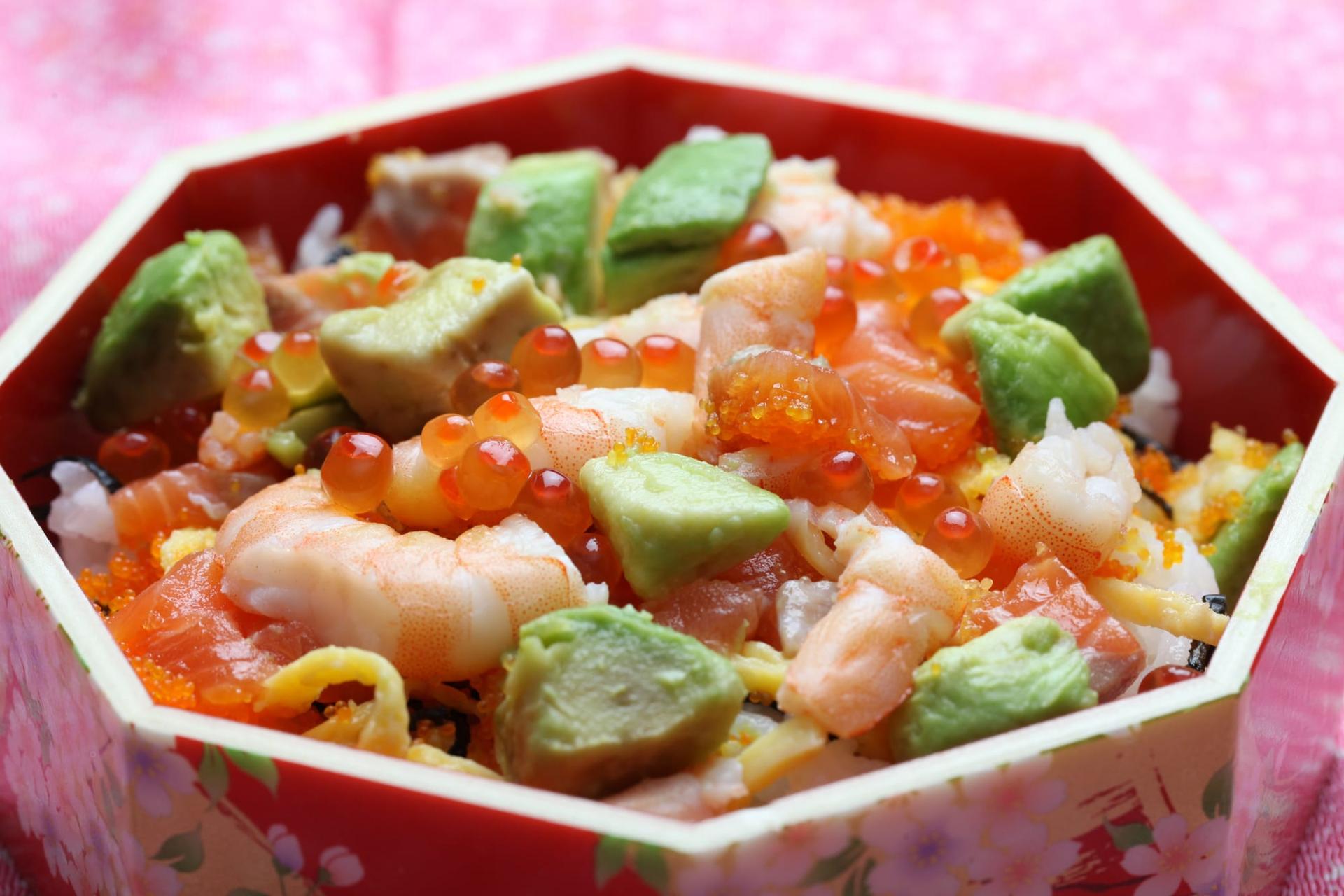
Barazushi is even said to be one of the roots of the chirashi sushi eaten all over Japan today. Inside the peach box you'll find egg strips, simmered shrimp, grilled conger eel, shiitake, vinegared sawara and mamakari, bamboo shoot, lotus root and octopus. Every lift of the lid is a little parade.
If you love Japan's seasonal food words, this one goes nicely with it:

More Okayama in a box: ebimeshi and demi-katsu
Not a sushi person? Okayama has two very loud local favorites. Ebimeshi looks jet-black and spicy, yet it's surprisingly mellow, seasoned with caramel sauce, ketchup and curry powder. Okayama demi-katsu-don is freshly fried pork cutlet under hot demi-glace sauce, and it traces back to Ajitsukasa Nomura, a restaurant in Okayama City since 1931.
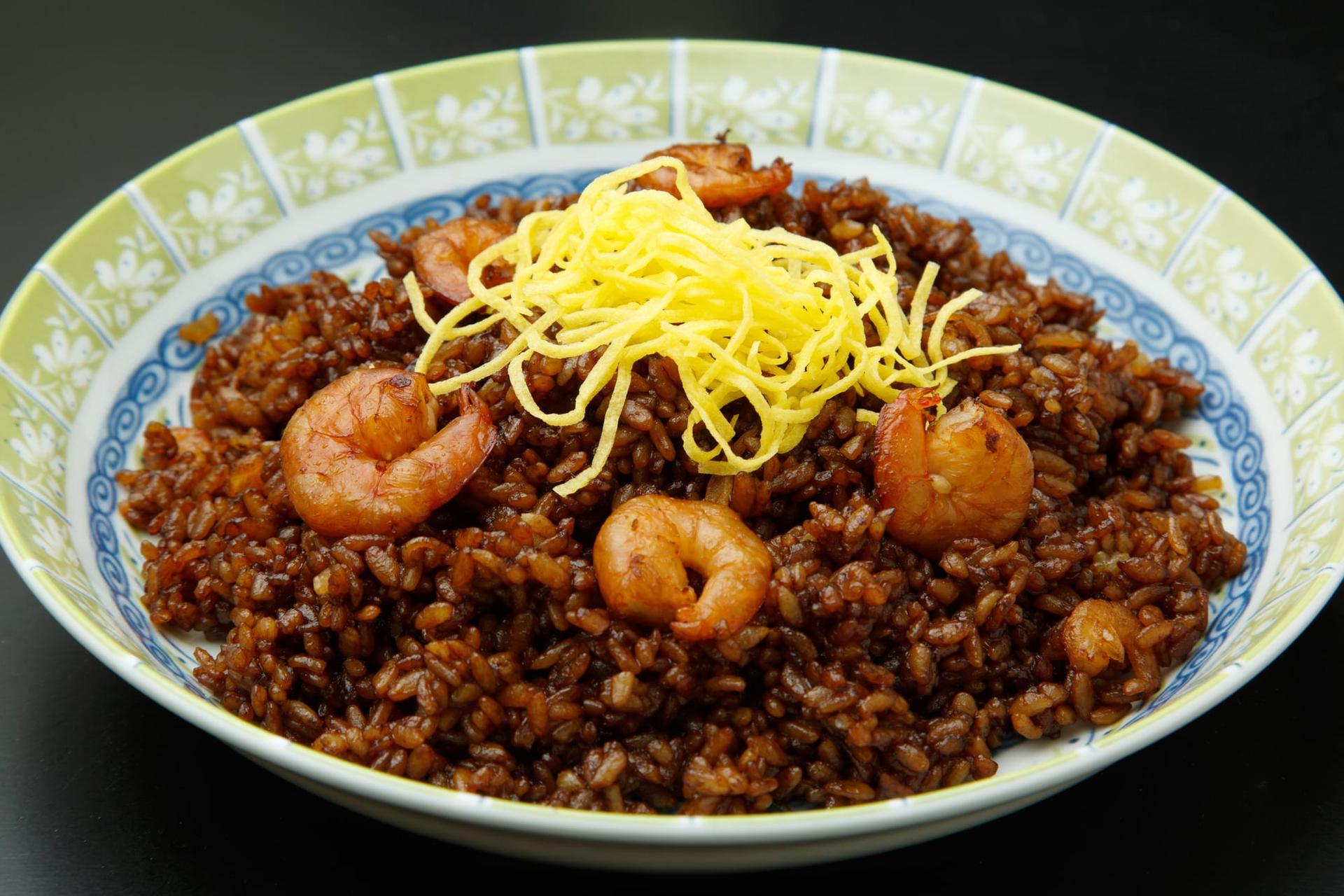
Miyoshino even packs both into one ekiben. A few boxes in its online shop's ekiben list:
| Ekiben | What's inside | Listed price (tax incl.) | Tip |
|---|---|---|---|
| Momotaro no Matsurizushi | Festival sushi in the pink peach box | ¥1,250 | The classic: toppings sit on top of the rice, a style made to last the train ride |
| Okayama Meibutsu Ebimeshi to Demikatsu-don | Ebimeshi + demi-katsu-don | ¥1,100 | Two local dishes in one box; the black ebimeshi tastes milder than it looks |
| Okayama Meibutsu Daishugo | A sampler of Okayama flavors | ¥1,380 | Can't choose? This is the one with a bit of everything |
| Kuri Okowa Bento | Chestnut sticky rice | ¥1,250 | A gentle, non-sushi pick for a long ride |
Prices and lineup can change, so check the Miyoshino Honten online shop ekiben list before you go. Want it in your own currency? Try our yen converter.
Where to Buy Ekiben at Okayama Station
Miyoshino's own shop is inside JR Okayama Station, right in front of the central ticket gate (phone 086-231-3235). Okayama's official city tourism site says it carries roughly 20 to 30 kinds of bento, from chirashi to makunouchi.
Missed it at the gate? Miyoshino ekiben are also handled at Omiyage Kaido on the Okayama Station Shinkansen up platform, at Tabi Bento Ekiben Nigiwai shops in Shin-Osaka, Shin-Kobe and Kyoto stations, and at Ekiben-ya Matsuri Gransta Tokyo in JR Tokyo Station.
Miyoshino Honten official shop list · Momotaro no Matsurizushi official page
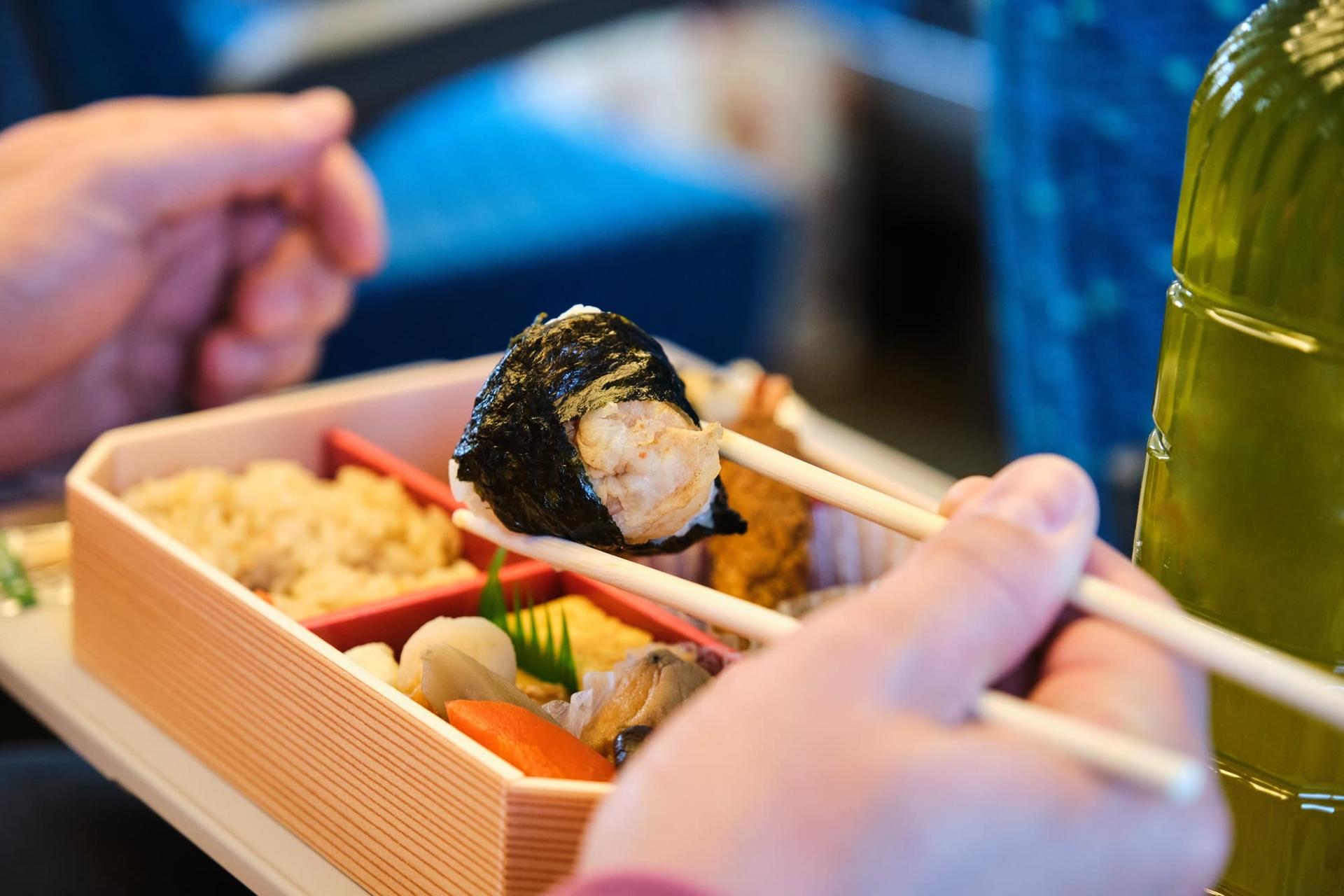
Not heading west this trip? Miyoshino has sold at the ekiben shop "Matsuri" inside JR Tokyo Station since 2014. So a peach box on the Tokaido Shinkansen is totally possible. Buy it before the gate, board, and lift the lid once the city starts sliding past the window.
Recommended Next Reads
Eating the peach box on the Shinkansen? Book the seat first. This guide covers the cheaper Nozomi fares:

So tell me: if you could only pick one box for your window seat, would it be the peach of festival sushi or the jet-black ebimeshi?
Sources
Facts in this article were checked against these official sources.
Photo credits
Photo: IKOKA · shutterstock shutterstock-unlimited
Comments
Anyone can comment with just a nickname. Comments with links or contact details are published after review.
Loading comments…