Japan Earthquake Alert (Oct 16, 2026): What to Do and the Safety tips App
Japan earthquake alert guide for travelers: the Safety tips app, alert sounds, what to do in seconds, and why the Oct 16 M9.9 warning was cancelled.
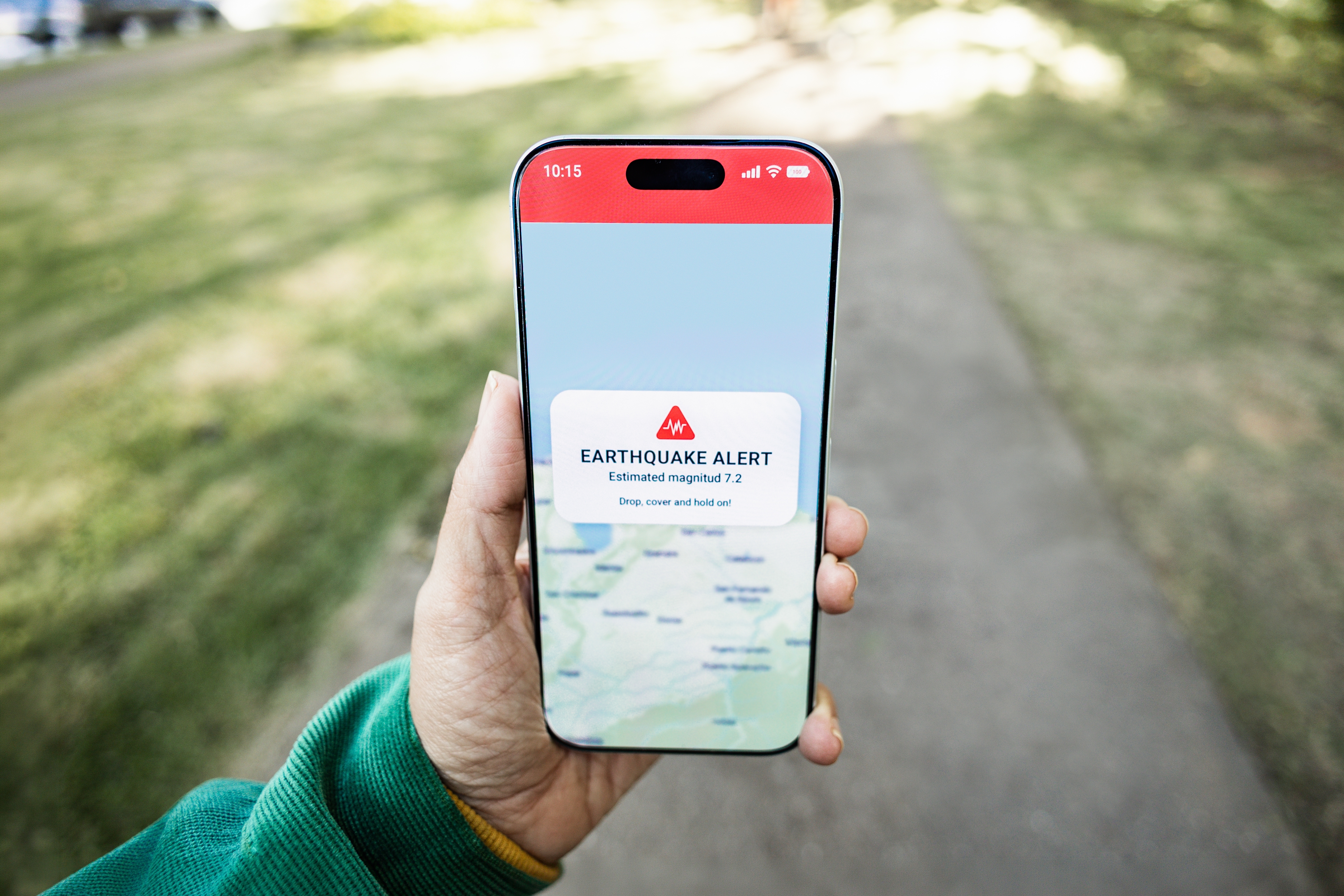
Your phone shrieks with an alarm and a message in Japanese you can't read. What do you do first? That is what happened at 12:40 p.m. on Friday, October 16, 2026, when phones across a wide area from northern to central Japan buzzed with an earthquake early warning for a magnitude 9.9 quake. The bullet train between Shin-Yokohama and Toyohashi stopped, people dropped under desks, and eight minutes later the Japan Meteorological Agency (JMA) cancelled the warning.12
Current status: the warning was cancelled eight minutes later, and the stopped Shinkansen section resumed service.12 What to do now is simple: protect your head, then check official info.
Why does this happen? A Japan earthquake early warning is a forecast sent before the shaking arrives, estimating magnitude and intensity in seconds, so it can be wrong or cancelled.3 No one was hurt, but a lot of travelers spent those minutes staring at a Japanese-language alert and wondering what to do. This guide is the version you can read before your trip, so the next alarm costs you seconds, not panic.
Quick summary
- The alarm gives you only a few seconds to a few tens of seconds. Protect your head first, then read the screen.4
- Install the Japan Tourism Agency's free Safety tips app before you fly; it pushes alerts in English, Korean and 13 other languages.5
- An alert can be wrong or cancelled. After the shaking (or the silence), check official updates before you move on.3
What happened on October 16?
According to JMA's press briefing reported by FNN and Kyodo News, the agency issued the warning at about 12:40 p.m., saying an M9.9 quake had struck near the Kuril (Chishima) Islands with shaking up to intensity 7 expected. It cancelled the warning at 12:48 p.m.12
JMA later explained that it had overestimated an M6.9 earthquake that occurred near the Kamchatka Peninsula at about 12:38 p.m.; parts of Hokkaido recorded intensity 1. The agency said there was no sign of a cyber attack and that it is still investigating why the estimate went so high.12 Tokaido Shinkansen service between Shin-Yokohama and Toyohashi was suspended for a while and has resumed, according to Central Japan Railway as reported by Kyodo.2
How will the alert reach you?
This matters for visitors. If you are roaming on a home plan, or using a data-only eSIM, do not assume your phone will ring. Two things cover the gap:
JMA lists the main channels: TV and radio (NHK airs every warning nationwide), municipal loudspeakers, building announcements, and mobile phones.6 For phones, JMA says five carriers push warnings through their broadcast systems: NTT docomo, au, SoftBank, Y!mobile and Rakuten Mobile. Which handsets receive them, and the settings needed, are up to each carrier.6
- Safety tips app. Run by the Japan Tourism Agency, it pushes earthquake early warnings, tsunami warnings and weather warnings in 15 languages, and includes an evacuation flowchart and useful phrases.5 Install it at home, open it once, and allow notifications.
- Learn the sounds. JMA asks everyone to memorize the alert tones: the NHK "chime" used on TV, radio and loudspeakers, and the shared "buzzer" used by Japanese mobile carriers.4 If you hear either one in a station or hotel lobby, act first and read later. JMA's own two-minute explainer (English subtitles) is below.4
What should you do in the first seconds?
JMA's basic rule is: tell the people around you, don't panic, and secure your own safety based on where you are. The same rule applies whether the alert comes before the shaking or the shaking comes first.4 JMA's examples, in traveler terms:
- Hotel room or home: protect your head and get under a sturdy desk. Don't rush outside, and don't try to put out a fire mid-shake.4
- Shops, stations, museums: follow staff instructions. Don't run for the exits.4
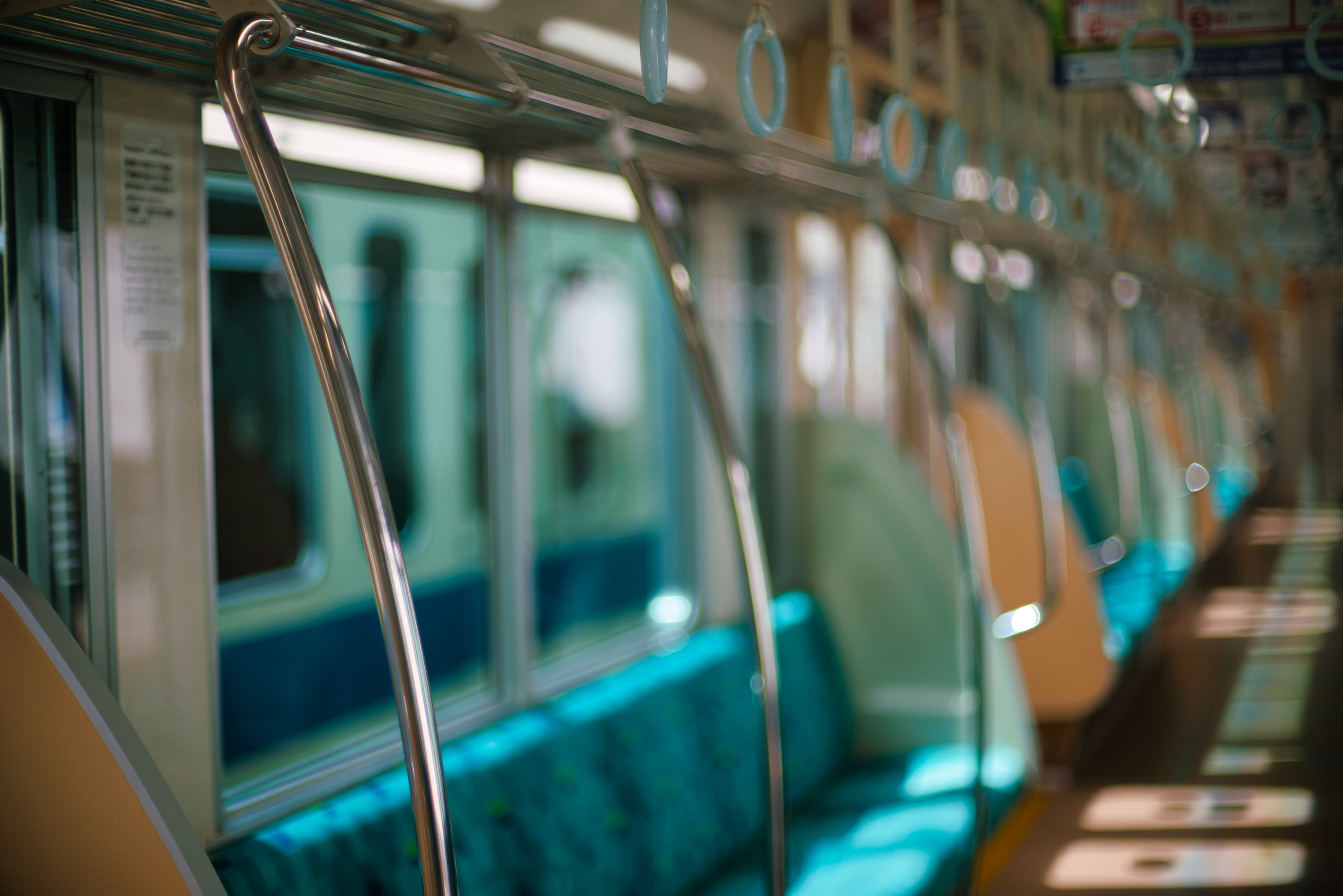
- Train or bus: hold the straps or handrails firmly.4
- Elevator: stop at the nearest floor and get out right away.4
- On the street: watch for falling signboards and broken glass, and for collapsing block walls. If you are next to a solid building, go inside.4
- Mountains and cliffs: watch for falling rocks and landslides.4
Japan earthquake early warning, but no shaking?
This is the part most travel guides skip, and it is exactly what happened on October 16. JMA's own page on the limits of early warnings explains why:3
- The warning is built from a few seconds of data at a few stations, so predicted intensity can be off by about one level.
- Quakes far from the observation network (roughly 100 km or more away) can produce larger errors in location and magnitude.
- Deep quakes can shake places far from the epicenter more strongly, and the usual formula can overestimate them.
- Very large quakes are hard to size in the first seconds, because the fault is still breaking.
JMA also says that when it issues a warning and the strongest shaking observed is intensity 2 or less, it adds a note saying no strong shaking was observed, and posts a notice on its website.3 So if nothing shakes, stay put for a moment, then look for that update or a cancellation (取消, torikeshi) before heading off.
Where do you check before moving on?
- JMA website: official earthquake and warning information, including notices after an alert.3
- NHK on TV or radio: NHK broadcasts every JMA warning nationwide.6
- Your train operator: on October 16 the Tokaido Shinkansen paused and then resumed, so check the operator's service status before you head to the platform.2
- Near the coast or a river: if a tsunami warning is issued, start moving to higher, safe ground immediately. The government's guidance adds that if you feel shaking on the coast or along a river, you should start evacuating even before any tsunami warning is issued.7
What to set up before you fly?
- Install Safety tips, set your language, and allow notifications.5
- Watch JMA's two-minute video (English subtitles are available) and memorize the chime and buzzer sounds.4
- On check-in, find your room's sturdy desk and the nearest emergency stairs.
- Save your hotel's address in Japanese on your phone, and find the evacuation site (避難場所) nearest to it.
- Keep your phone charged; the alert gives you seconds, not minutes.
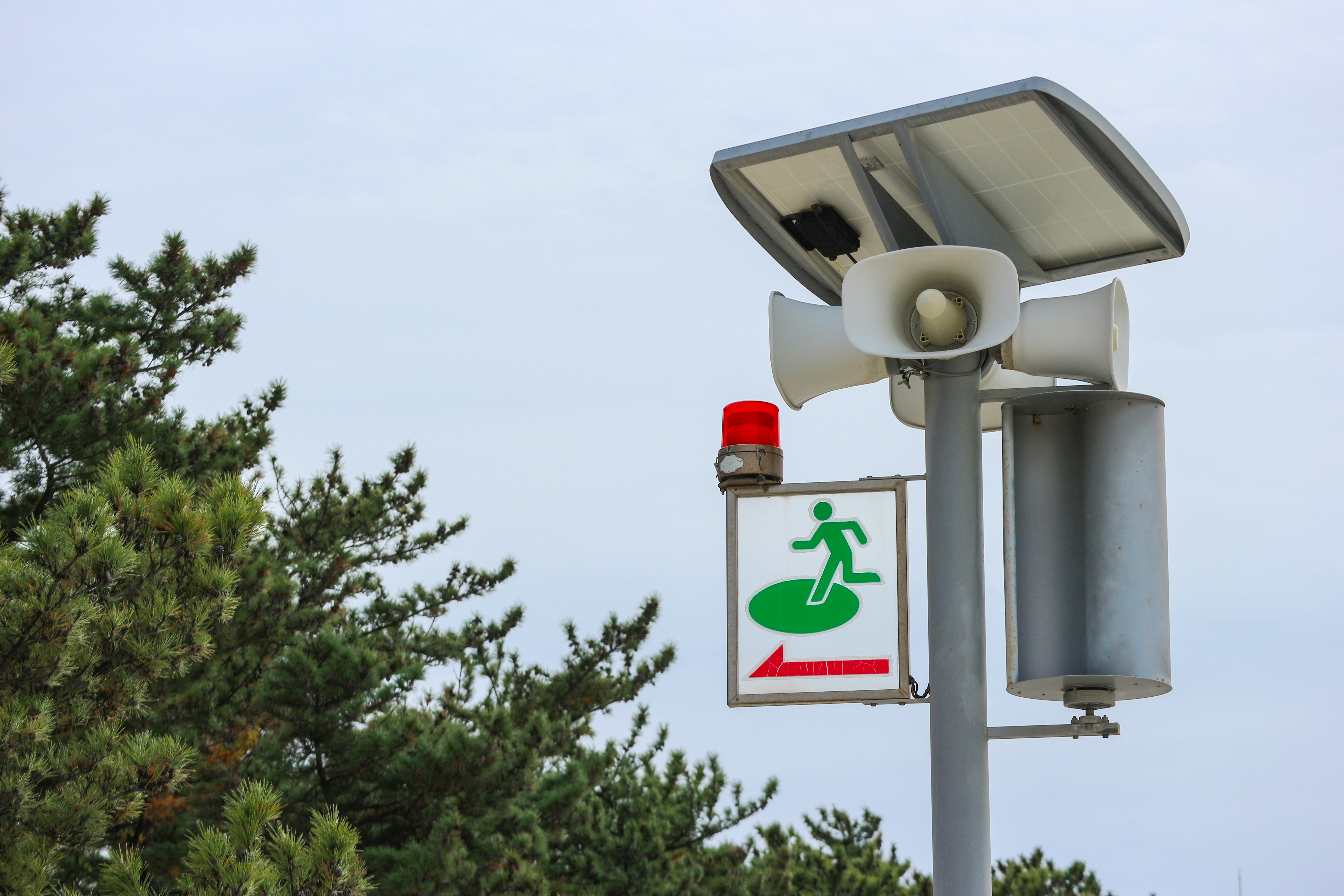
[Green park sign reading "避難場所 Evacuation Site" with a running-figure pictogram] When trains stop or run late after an alert, the next stops fill up all at once. Check here when you re-plan.
Shifting to a quieter time slot after service resumes saves energy.
See street conditions with your own eyes before you move.
Read next: how to plan a calmer day around crowds in How to use IKOKA.
Information was checked on October 16, 2026, against JMA and Japan Tourism Agency pages and same-day reports on the false alert. JMA is still investigating the cause.
An alert buys you a few seconds. You can decide how to spend them before you fly.
Have you saved your hotel address in Japanese on your phone?
Notes
Drafted with AI assistance, fact-checked against official sources and approved by an IKOKA editor.
Sources
Facts in this article were checked against these official sources.
Photo credits
Comments
Anyone can comment with just a nickname. Comments with links or contact details are published after review.
Loading comments…