Small Towns in Japan to Visit: 3 Quiet Places Worth a Night
 Written by Mei · IKOKA Japan
Small towns in Japan to visit for a quiet night: Tsumago, Ouchi-juku and Kinosaki Onsen, with access from Tokyo, Nagoya and Osaka and evening tips.

Five o'clock in a Japanese post town: the last tour group walks back to the bus, the shop shutters slide down, and the lanterns along a wooden street come on one by one. Day-trippers never see this hour. If you want a quiet Japan that still feels real, the trick is not finding a secret town, it's sleeping in one. That one rule decides which small towns in Japan to visit.
This guide covers three of them, each worth one night: one reachable from Tokyo, one from Nagoya, one from Kyoto and Osaka. For each, you get the scene, the short story behind it, and the practical bits: how to get there, what to do after dark, and what to eat.
Why a Night Beats a Day Trip
Many of Japan's prettiest small towns were built to host overnight travelers. Tsumago was the 42nd station on the Nakasendo, an Edo-period (1603-1867) trade route connecting Kyoto and Edo, today's Tokyo. Ouchi-juku was also an Edo-period post town that served travelers. Kinosaki grew around hot springs, and its ryokan guests can use all of the town's public baths free from check-in until check-out.

Japan's national tourism organization says it's worth spending a night at one of Tsumago's inns to fully appreciate the atmosphere once the crowds clear out. That is the whole idea of this list: arrive in the afternoon, let the buses leave, and have the street almost to yourself in the evening and early morning.
How to Pick Your Small Town: 4 Questions
Before choosing, answer four questions: Which big city are you leaving from? Do you want to walk, eat, or soak? How much transfer time can you handle? What do you want the evening to feel like?
| Town | Leave from | Getting there | Best for | Evening mood |
|---|---|---|---|---|
| Tsumago (Nagano) | Nagoya | Limited express to Nagiso, then a 10-minute bus or taxi | Walking an old trail | Lanterns on an empty wooden street |
| Ouchi-juku (Fukushima) | Tokyo | About 3 hours to Aizu-Wakamatsu, then Aizu Railway and a bus or taxi | Thatched roofs and local soba | Mountain village, very dark and still |
| Kinosaki Onsen (Hyogo) | Kyoto or Osaka | About 2.5 hours by direct express | Bath-hopping in a yukata | Willow-lined river, people in yukata |
If you are coming from a busy stretch in a big city, check the crowd LEVEL of the spots you are escaping on IKOKA's crowd forecast first, then give the quiet town your best hours.
1. Tsumago: The Post Town That Chose to Stop Time
In 1968, while Japan's cities were developing at full speed, the local council decided to preserve Tsumago's main street. Cars are not permitted on the main road during the day, and power and phone lines are hidden from view. The result is a street of humble wooden houses, shops, restaurants, and inns.

Tsumago is small enough to explore in half a day. The classic add-on is the hike to the neighboring post town of Magome: about nine kilometers and three hours through cypress forests and farming communities. Rekishi Shiryokan, a history museum with good English signage, explains the town and the Kiso Valley.
- Getting there: From Tokyo, take the Tokaido Shinkansen to Nagoya, then the JR Shinano limited express to Nagiso Station. From Nagiso, Tsumago is a 10-minute bus ride; buses are infrequent, but taxis are available.
- Evening tip: Stay on the main street after the day crowds leave, when the old buildings glow under lanterns.
2. Ouchi-juku: Thatched Roofs and Soba Eaten With a Leek
Ouchi-juku is filled with buildings over 300 years old, with traditional thatched roofs and streets with running water on either side. Feudal lords on their regular trips to Edo passed through here on the Shimotsuke Kaido route.

At the end of the main road, a short but steep set of stairs leads up to a temple with a panoramic view of the village in its mountain setting. In winter, the town holds the Ouchi-juku Snow Festival on the second weekend of February.
The local dish is negi soba: handmade soba served with a leek, which you use instead of chopsticks. Order it once just for the story.

- Getting there: From Tokyo, take the Tohoku Shinkansen to Koriyama and transfer to the Ban-etsu West Line to Aizu-Wakamatsu, about three hours in total. Then take the Aizu Railway to Yunokami Onsen Station and a bus or taxi to Ouchi-juku.
- On the way: Yunokami Onsen, near the station, has hot springs and an open-air footbath.
3. Kinosaki Onsen: Seven Baths, One Yukata
Kinosaki is a historic hot spring town in northern Hyogo, surrounded by mountains and sea. Inns line both sides of the Otani River, and seven public bathhouses are dotted around town.

Legend says a priest named Douchi Shonin founded the hot springs in 717 after chanting sutras for 1,000 days; Onsenji Temple, at the western end of town, is dedicated to him, and a ropeway runs up the mountain to an observation deck.
The evening ritual here is onsen meguri: walking from bath to bath in a yukata. The public baths are dotted around the small town, and they are separated by gender, and all of them allow tattoos, which is rare in Japan.

- Getting there: Kinosaki Onsen Station is on the San'in Main Line, about 2.5 hours from Kyoto or Osaka by direct express train.
- Bath pass: Overnight guests usually receive the Yumepa pass for all public bathhouses at check-in (ask your inn). Day-trippers can buy a day pass at any bathhouse for 1,500 yen.
Plan Your Quiet Night
- Book the inn first, then build the train plan around check-in time.
- Arrive mid-afternoon so you still catch the last daylight on the street.
- Keep the next morning free: the hour before the first buses arrive is the quietest.
- Carry some cash for small shops and buses, and check the latest times on the official pages before you go.
Information rechecked on November 6, 2026.
Want to see when the famous spots are calmest before you head out of the city?
Heading to Ouchi-juku? The Aizu area has another story worth knowing before you go.
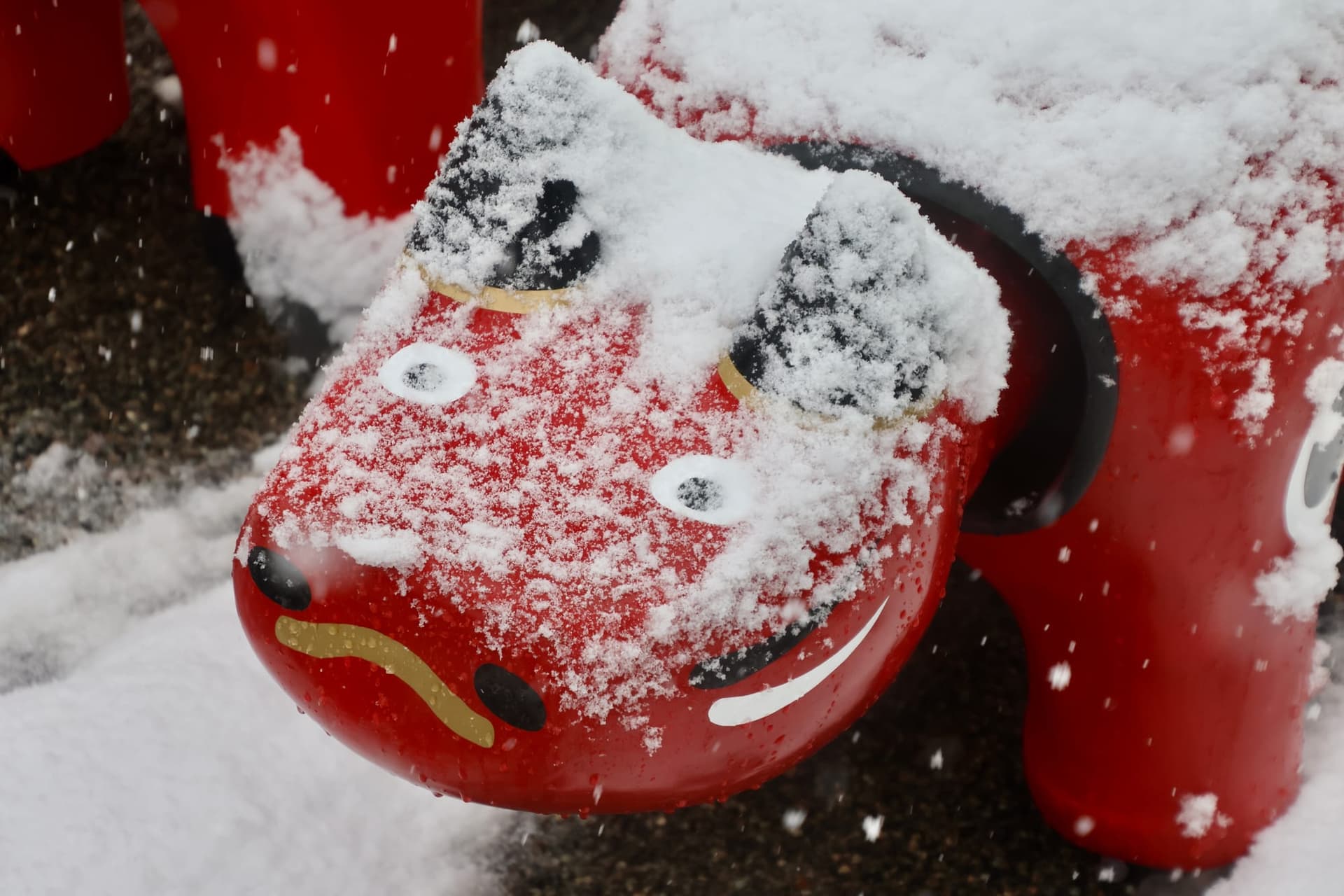

Which would you choose for your quiet night in Japan: lanterns in Tsumago, thatched roofs in Ouchi-juku, or bath-hopping in Kinosaki?
Sources
Facts in this article were checked against these official sources.
Photo credits
Photo: IKOKA · shutterstock shutterstock-unlimited
Comments
Anyone can comment with just a nickname. Comments with links or contact details are published after review.
Loading comments…