Mt. Fuji Visibility at Kawaguchiko: Best Months, Best Hour, Plan B
 Written by Aoto · IKOKA Japan
Mt. Fuji visibility at Kawaguchiko: the clearest months, why early morning beats noon, which live cam to check, and indoor Plan B spots if it hides.

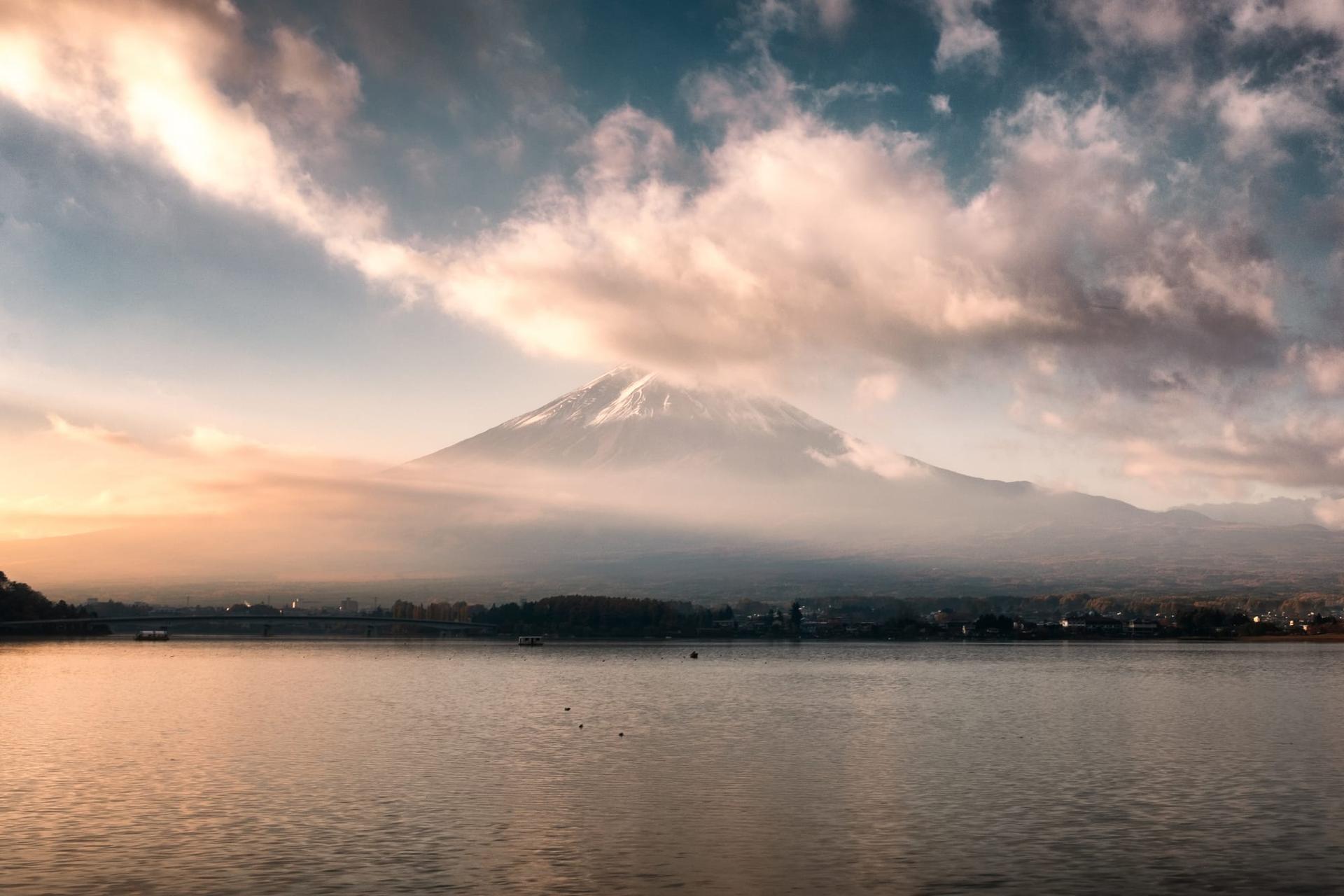
Two hours out of Shinjuku, you step off at Kawaguchiko Station, look up, and... nothing. Just a grey wall where Japan's most famous mountain is supposed to be. Mt. Fuji visibility is never a sure thing, but you can stack the odds hard in your favor.
Quick answer: go between November and February, be at the lake early in the morning, and check a live camera before you leave Tokyo. In Fuji City's 35 years of 8 a.m. checks, the whole mountain showed up about 6 mornings in 10 in December and January, and about 1 in 10 in July.
At a glance
- Best months: November to February
- Best hour: early morning; afternoons get harder
- Before you go: look at the town's lakeside live camera, not your Tokyo sky
- If it hides: a kimono art museum, a music-box museum, a free heritage center or a hot spring
Aoto here. I'm the one who checks the Fuji live cam the way other people check their horoscope. This is my "please don't waste your day trip" list.
In this guide: best months · best hour · live cams · Plan B
Which months give you the best odds
Where do these numbers come from? Fuji City, on the Shizuoka side of the mountain, has logged Mt. Fuji three times a day from the 8th floor of its city hall, at 8 a.m., noon and 4 p.m. Every check gets one of three labels: fully visible, partly visible or not visible at all. It's the south side, not Kawaguchiko, so read it as a season pattern rather than a promise for the lake.
Sources
Facts in this article were checked against these official sources.
Photo credits
Photo: IKOKA · shutterstock shutterstock-unlimited
Comments
Anyone can comment with just a nickname. Comments with links or contact details are published after review.
Loading comments…