JR East QR Ticket (Spring 2027): What Changes at the Gate, Suica Stays
 Written by Mei · IKOKA Japan
JR East QR ticket guide: from spring 2027, seven Tokyo-area railways swap magnetic tickets for QR tickets. What changes at the gate and what to do.
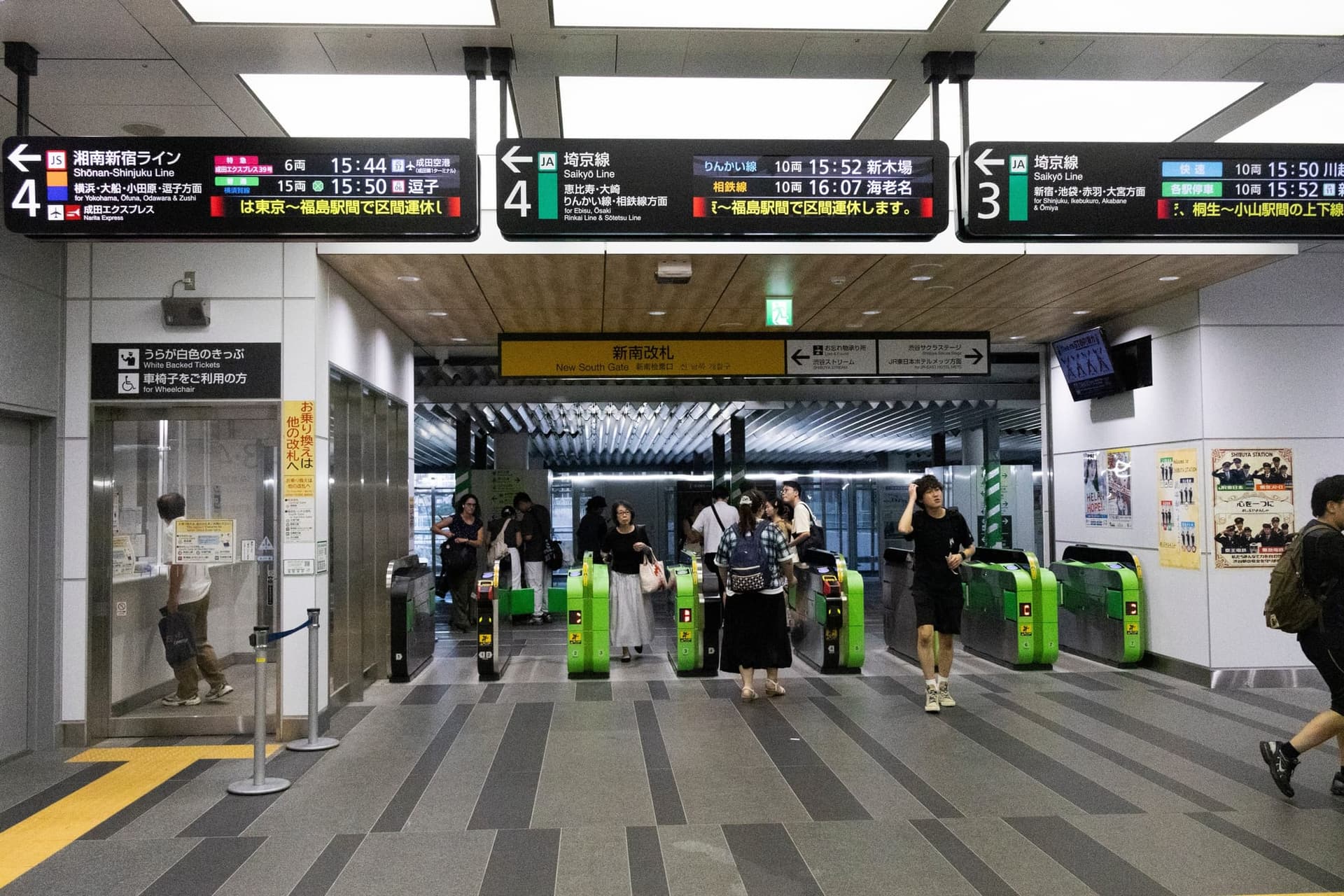
You land at Haneda or Narita, buy a paper ticket from the machine, walk to the gate and look for the slot to feed it in. After the change, that habit is exactly what can leave you stuck at the gate with people queuing behind you. From spring 2027 the slot stops being the point: on seven railways, including JR East, Tokyo Monorail and Keisei, the paper ticket gets a QR code and you hold it over a reader instead. Suica users: almost nothing changes for you; keep tapping your IC card as usual.
In short
- From spring 2027, seven railways replace magnetic paper tickets (磁気券) with larger QR paper tickets (QR乗車券, often called QRきっぷ).
- You hold the QR ticket over the gate reader, then drop it in a collection box when you exit.
- If you already use Suica, PASMO or a phone wallet card, almost nothing changes for you.
Exact date not announced yet: the railways have only said "spring 2027". We will update this page as soon as they publish the exact start date.
JR East QR ticket (QRきっぷ): what is changing and when
On October 13, 2026, seven railway companies (Keisei Electric Railway, Keikyu, Sendai Airport Transit, Tokyo Monorail, Tobu Railway, JR East and Hokuso Railway) announced that they will start a QR ticket service from spring 2027, replacing magnetic tickets. The service will work on all lines and all stations of the seven companies, although how you use it can differ by the equipment each station has.
This is not a brand-new idea. Back in June 2026, JR East had already announced that from spring 2027 it will replace short-distance paper tickets for trips within 100 km with QR code tickets.
Why Japan is retiring the magnetic ticket (磁気券)
The magnetic ticket Japan built its gates around is the paper ticket most visitors picture, but it has quietly become the exception. Because IC cards such as Suica are so widely used, conventional paper tickets now account for only about 2.5% of all ticket usage. With so few riders still feeding tickets into slots, the railways are moving that small group onto QR codes, and JR East's president pointed to one clear benefit: dropping the magnetic layer will reduce environmental impact. That missing magnetic layer is also why the back of the new ticket turns from black to white.
Magnetic ticket vs QR ticket: what changes at the gate (自動改札機)
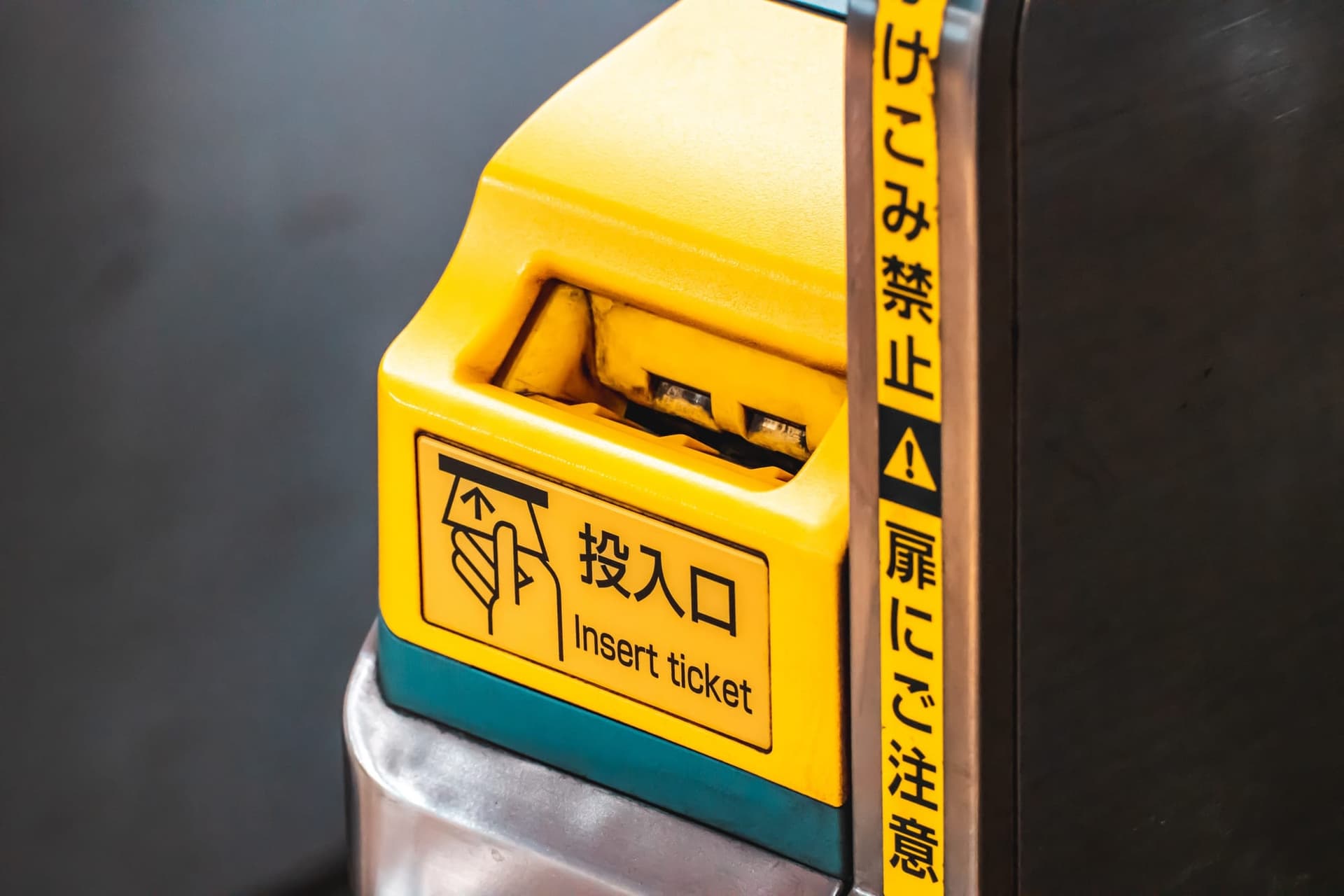
Today you push a small magnetic ticket into the slot and pick it up again at the other end of the gate. The QR ticket works differently:
- Buy it at the ticket machine as usual.
- At the entrance, hold the QR code over the reader on the automatic gate.
- When you leave the station, put the ticket into the collection box attached to the gate.
The ticket also gets bigger. The current small ticket is 3 × 5.75 cm, while the QR ticket from the machines will be the large size, 57.5 × 85 mm, with some exceptions.
One thing to remember: at stations of the seven companies that do not have gates able to read QR tickets, you will use the staffed window instead.
Which tickets and which railways are included
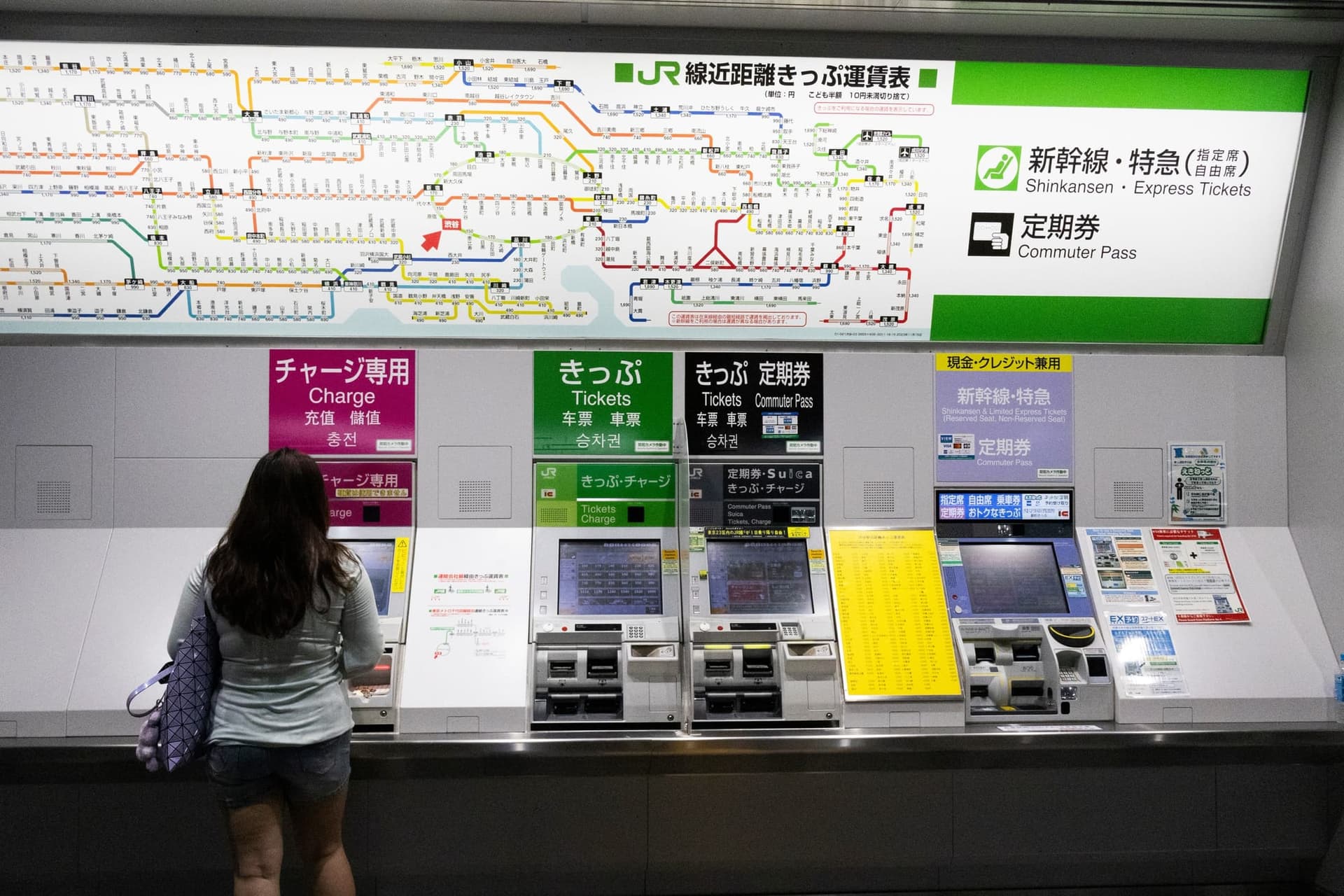
For JR East, the change covers short-distance tickets for trips within 100 km, the small tickets people usually buy from vending machines. Trips over 100 km and tickets that cross into other JR companies' areas stay magnetic, and Shinkansen and limited express tickets are not included.
Outside the seven companies, the picture is still open. JR West intends to follow from 2028 onward, while JR Central, Tokyo Metro and Toei Subway are still considering adoption. Operators starting from fiscal 2027 onward will be announced by each company when decided.
So on a Tokyo trip after spring 2027 you could hold a QR ticket over a JR East gate in the morning and still feed a magnetic ticket into a subway gate in the afternoon. Check the gate before you walk up to it.
Suica and IC cards: the easy way around it

The seven companies say they will keep building their service around transport IC cards such as Suica and PASMO, plus Mobile Suica and Mobile PASMO.
For a visitor, that means the QR change mostly matters if you were planning to buy single paper tickets. With an IC card you tap in and out the way you already do. Use the yen converter to plan how much fare money to load in your own currency.
If you book JR East trains online, the "Eki-net Q-Chike" service lets you ride by scanning a QR code on your phone instead of collecting a ticket. JR East says it will cover all of its areas for rides from November 1, 2026, except some sections such as BRT and bus replacement sections, and it cannot be combined with other tickets such as IC cards, commuter passes or paper tickets.
Tokyo Monorail ticket and Keisei Skyliner: Haneda and Narita
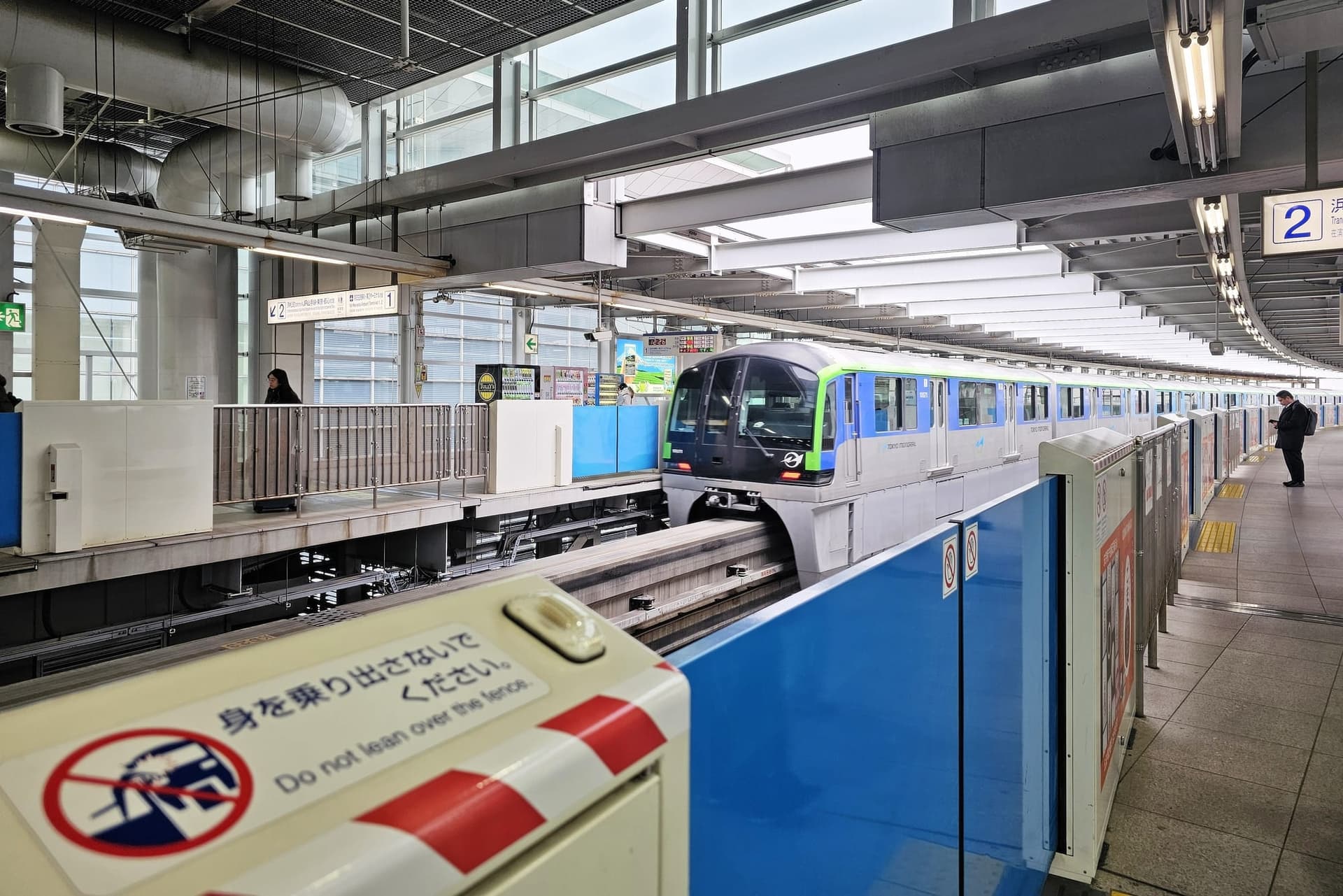
Some of the seven companies are the ones many visitors meet first. Haneda Airport is directly connected to the Tokyo Monorail and the Keikyu Line, and the Keisei Skyliner links Narita Airport Station with Nippori and Keisei Ueno stations. For many travellers, that airport train is the first ticket gate of the whole trip, often met right after a long flight and before they have an IC card. That makes the airport the place where the QR change is most likely to catch you off guard.
The announcements we cite do not say how Skyliner reserved-seat tickets will be handled, so we are not assuming either way; if you are unsure, ask at the station counter.
Arriving: if you buy a paper ticket from the airport machines after the change, expect the large QR ticket and look for the reader on the gate instead of the slot. If you already have an IC card, tap it as usual.
Leaving: on your way back to the airport, keep the QR ticket until the exit gate, because it goes into the collection box there. If the station does not have a QR gate, go to the staffed window.
Stopped at a QR gate? What to do at the station

- Check the gate first: a QR ticket is held over the reader, not pushed into the slot.
- If the station has no gate that reads QR tickets, walk to the staffed window and show your ticket there.
- Holding a Shinkansen, limited express or over-100 km JR East ticket? Those stay magnetic, so they still go into the slot as before.
Checklist before a 2027 Japan trip
- Get an IC card (Suica or PASMO) or add one to your phone wallet if your phone supports it.
- If you buy a paper ticket, hold the QR code over the reader; do not look for a slot.
- Keep the QR ticket until you exit, then drop it in the collection box.
- No QR gate at the station? Use the staffed window.
- Riding Tokyo Metro or Toei? They are not part of this switch yet, so tickets there can still be magnetic.
Read next: start with the tax refund guide, because it is the other rule change that meets visitors from November 1. Then the water bus shows a way to cross Tokyo without a train ticket at all, and the quiet-times guide helps you skip the busiest stations and spots.


Sources
Facts in this article were checked against these official sources.
Photo credits
Photo: IKOKA · shutterstock shutterstock-unlimited
Comments
Anyone can comment with just a nickname. Comments with links or contact details are published after review.
Loading comments…