Japan winter destinations for real snow: Zao's snow monsters, Ginzan Onsen, Shirakawa-go, Kenroku-en and Otaru, plus when to go and how to get there.
Short version, because you're probably cold just reading this: for real snow scenery in Japan, aim for January and February. Zao's snow monsters peak in February, Kanazawa's snow mostly falls between December and February, and Otaru's candlelit Snow Light Path lands in early February.
The tricky part is timing. Go too early and the trees are only lightly frosted; go in March and the snow monsters thin out and can collapse in the rain. So here are five snowy places with when to go, how to get there and what catches people out.
Japan in January snow (or February): which place fits you?
If you want...
Go to
Best timing
Something you've never seen before
Zao snow monsters
February
A slow, romantic night
Ginzan Onsen
January–February evenings
The postcard village
Shirakawa-go
January (light-up, reserve early)
Garden + city trip
Kenroku-en
After a snowy night, early morning
An easy day trip
Otaru Canal
December–February, from dusk
1. Zao snow monsters: trees that turn into giants
Sources
Facts in this article were checked against these official sources.
Yamagata · best in February · ropeway, no skiing needed
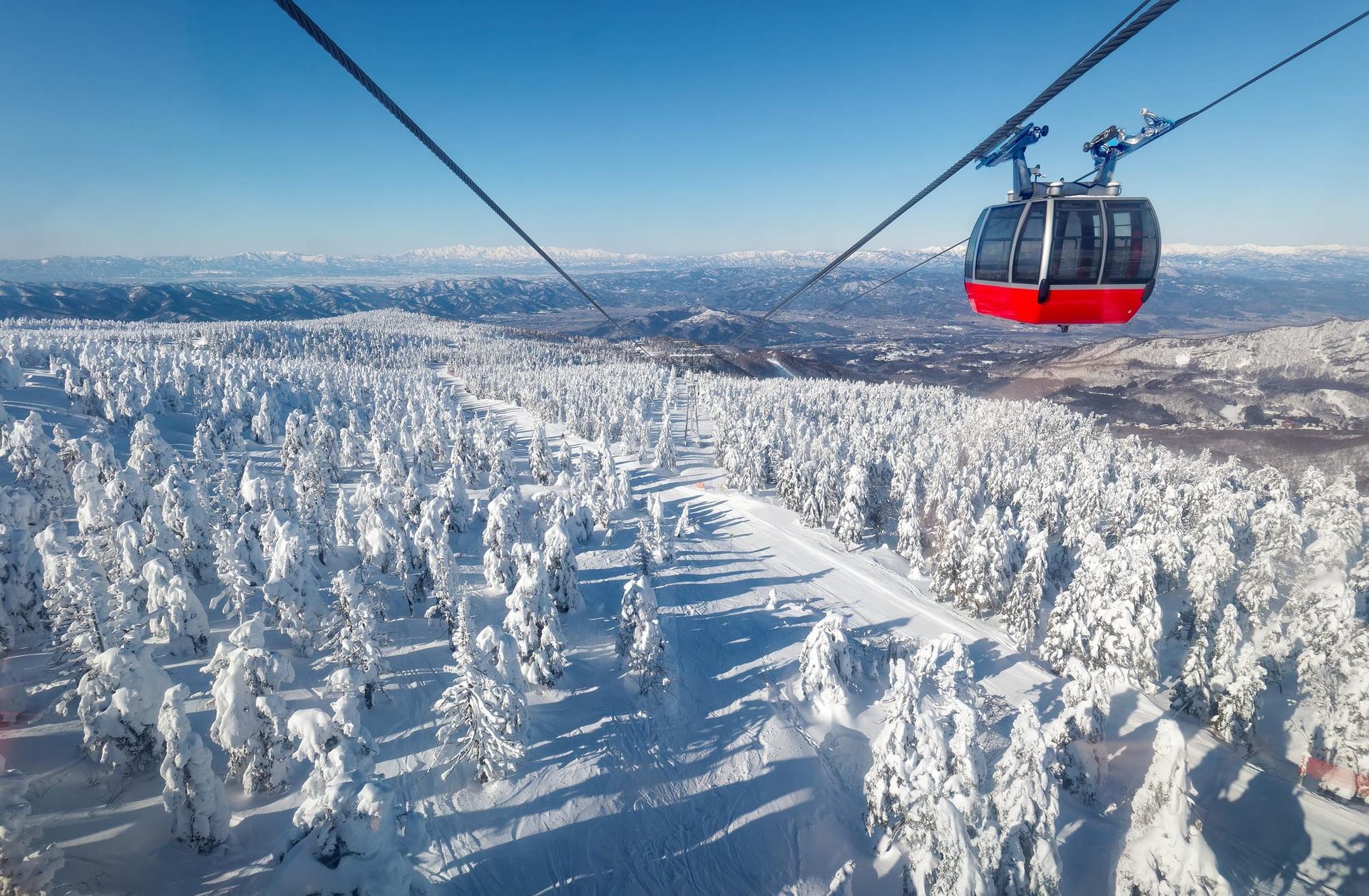
Okay, the name sounds like a joke. It isn't. Zao's "snow monsters" are Aomori fir trees wrapped in snow and ice until they look like a silent army. They start getting coated in November and December, grow through January, and hit their biggest in February. By March they melt thin and can collapse in the rain — so this is not a "maybe next spring" kind of thing.
Here's why they're so wild: in January and February Zao gets few clear days, wind averages 10 to 15 m/s, and the average temperature sits around minus 10 to minus 15°C. That brutal weather is literally the sculptor. Yamagata's official tourism site puts the usual season at late December to around late February.
Plays from youtube-nocookie.com after you tap.
Watch the first minute of this local news clip for the scale. People look tiny next to them.
Getting there: Yamagata Shinkansen from Tokyo to Yamagata takes about two and a half hours, then a bus to Zao Onsen is about 40 minutes. From Zao Sanroku Station the ropeway climbs to Juhyo Kogen and Jizo Sancho stations, and you don't have to ski to see the monsters. If you want them glowing at night, the Nightcruiser snowmobile tours run from late January to early March.
Heads-up: that minus-10 average is not decoration. Pack proper gloves, a face cover and something warm for your phone battery.
Starting your winter trip early, in late autumn? Hakuba is where the first snow can meet the last leaves:
Yamagata · January–February snow · stay overnight if you can
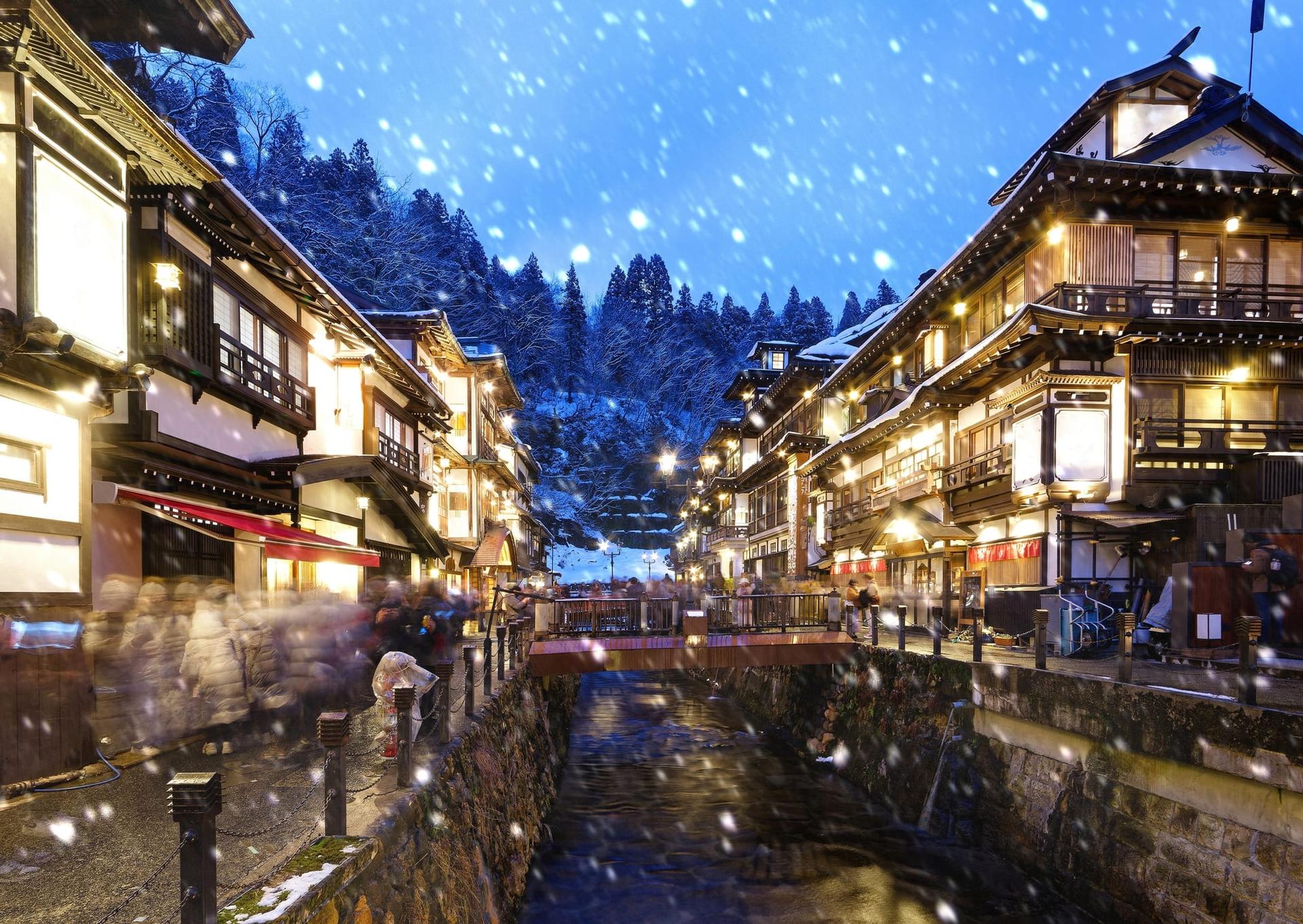
If Zao is drama, Ginzan Onsen is a lullaby. It's a small hot spring town with a Taisho-romance streetscape and gas lamps along the river. Snow on the eaves, wooden inns, soft yellow light on the river.
Getting there: by JR you go to Oishida Station, then take a bus with a transfer at Obanazawa. Driving? Two warnings straight from the town's official site: National Route 347 from the Furukawa side closes in winter, and you should never take Prefectural Road 29 (Seaburi Pass) from Murayama, an extremely narrow mountain road.
Heads-up: the town is tiny, so the romantic evening hour gets busy. The fix: book a night here and enjoy the lamps after the day-trippers leave.
3. Shirakawa-go: the fairy-tale village (book way ahead)
Gifu · light-up in January · advance reservation only
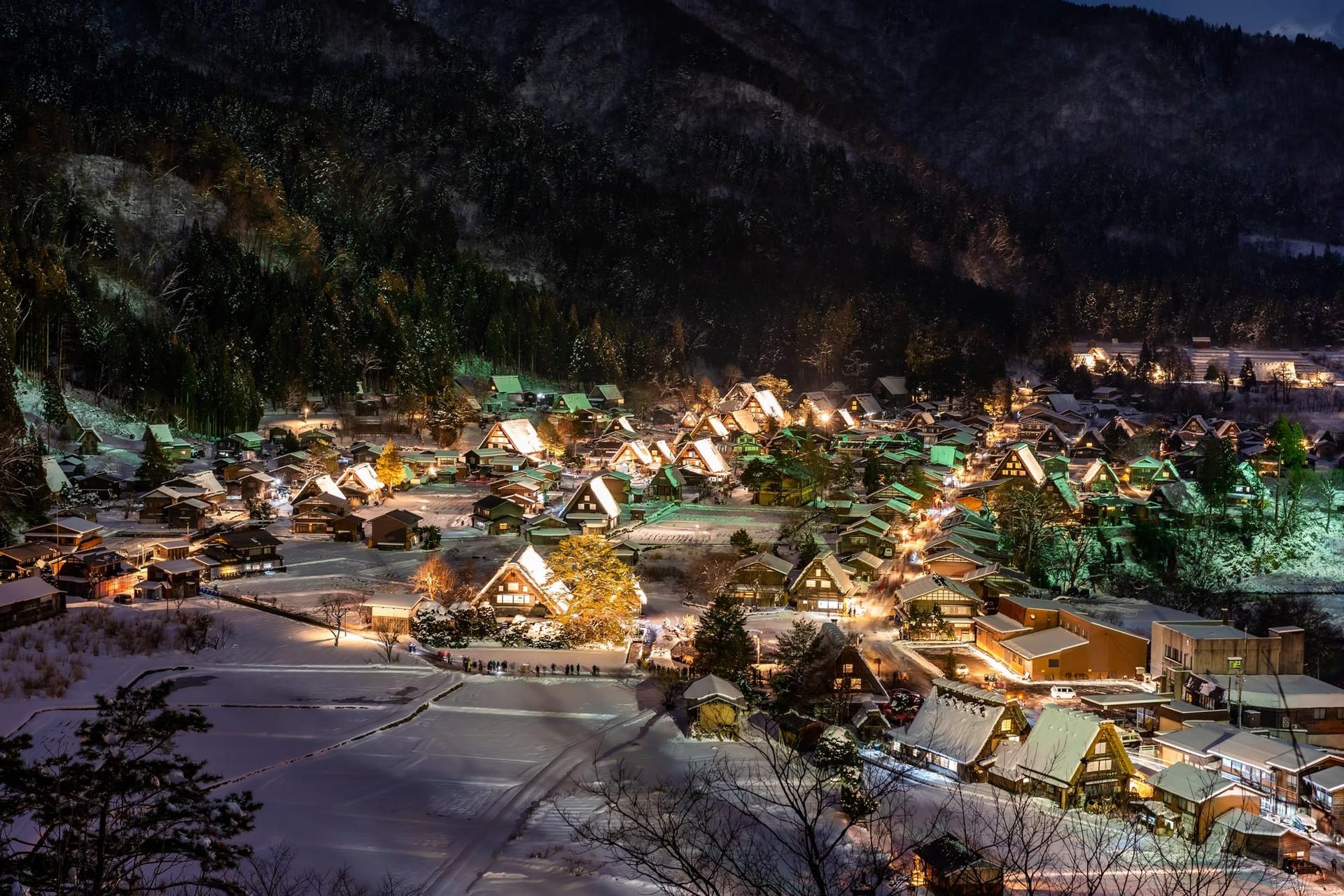
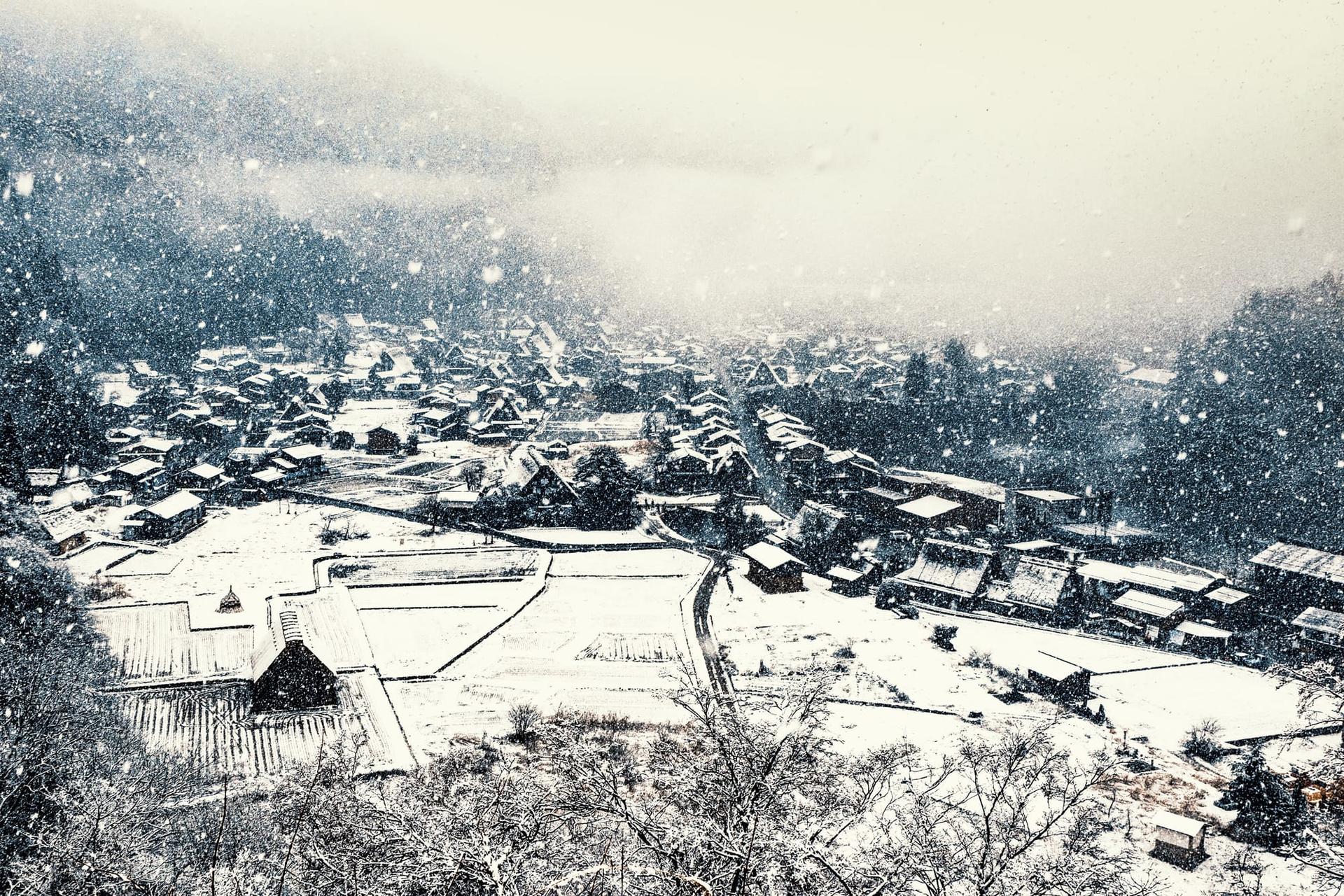
More than 100 thatched gassho-style houses, and people still actually live in them. The village became a UNESCO World Heritage Site in 1995. Under snow it looks like a storybook somebody forgot to close.
The famous winter light-up is the dream, but it is strict. The 2027 edition (the 41st) has just four dates, all in January, from 17:30 to 19:30. It's advance reservation only, and no tickets are sold on the day. The classic view from the observation deck needs a separate Observation Deck Ticket, which you only get through a stay in Shirakawa Village or a participating bus tour.
Plays from youtube-nocookie.com after you tap.
This short NTV News clip shows what the light-up looks like from above.
Day-trip trap: the last regular buses leave around 16:00 to 17:00, and there are no regular buses back after the light-up. On event days, anyone without a ticket is stopped from 15:30, and daytime bus visitors must arrive by 15:20.
Heads-up: it can be minus 10°C to 0°C, so bring a flashlight, warm layers and anti-slip shoes. Cars need studless winter tires, and drones are banned in the village. Check how busy it gets on our Shirakawa-go crowd forecast before you pick a day.
4. Kenroku-en, Kanazawa: ropes that hold up the snow
Ishikawa · snow mostly December–February · yukitsuri until mid-March
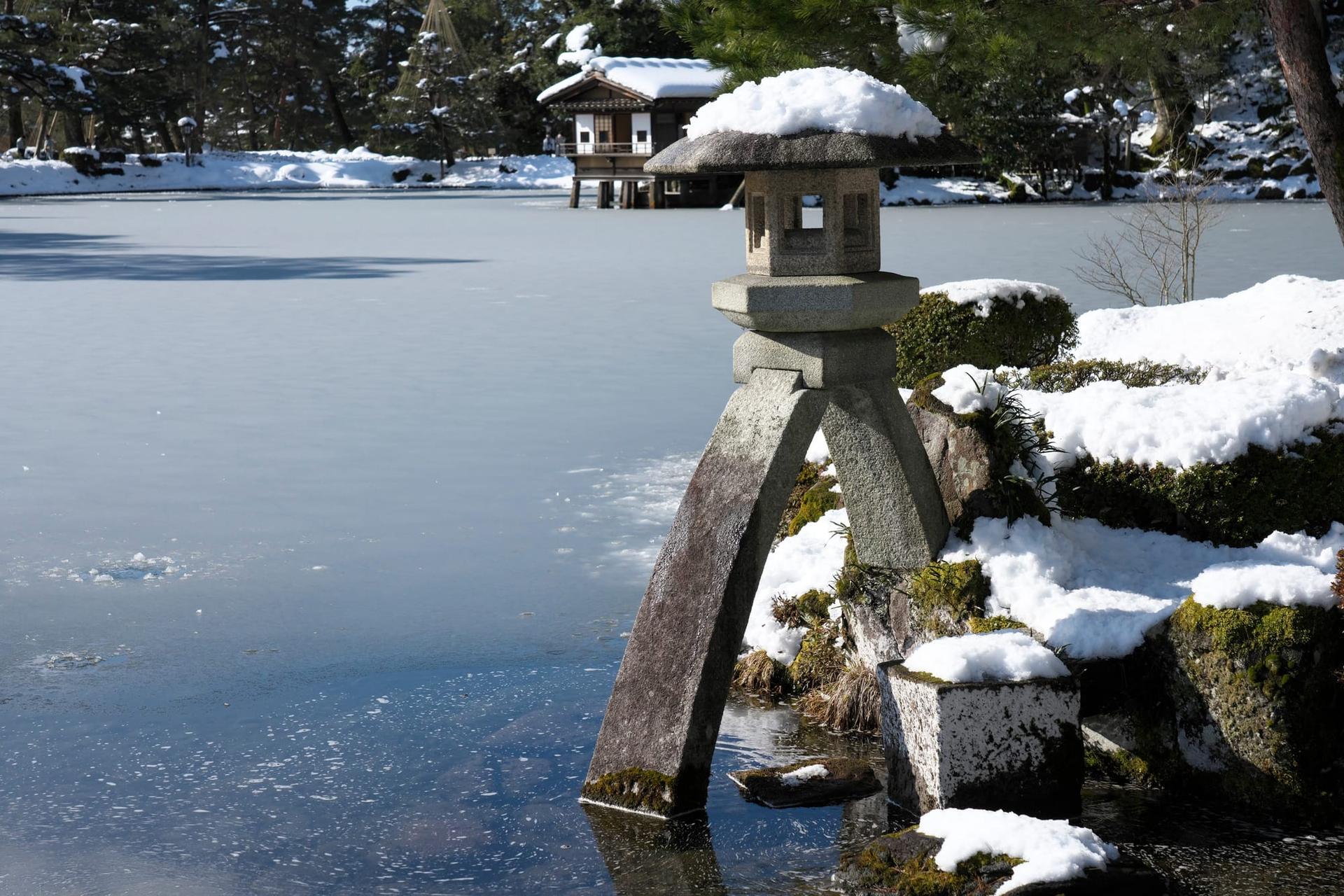
This one is pure craft. Kanazawa gets heavy, wet snow typical of the Sea of Japan side, so gardeners tie yukitsuri ropes to keep branches from snapping. At Kenroku-en the work begins on November 1 with the Karasaki pine and runs until about mid-December, and the ropes stay up until mid-March.
Snow mostly falls in Kanazawa from December to February. The garden's own tourism association says it best: after a night of snow, come early in the morning to see snow resting on the ropes. And during the February light-up the ropes glow golden against the white. I mean... come on.
Getting there: about a 3-minute walk from the Kenrokuen-shita / Kanazawa-jo bus stop. In winter (October 16 to end of February) it's open 8:00 to 17:00, last entry 16:30, and adults pay ¥320.
5. Otaru Canal: blue lights, then snow lanterns
Hokkaido · December–February · easy day trip from Sapporo
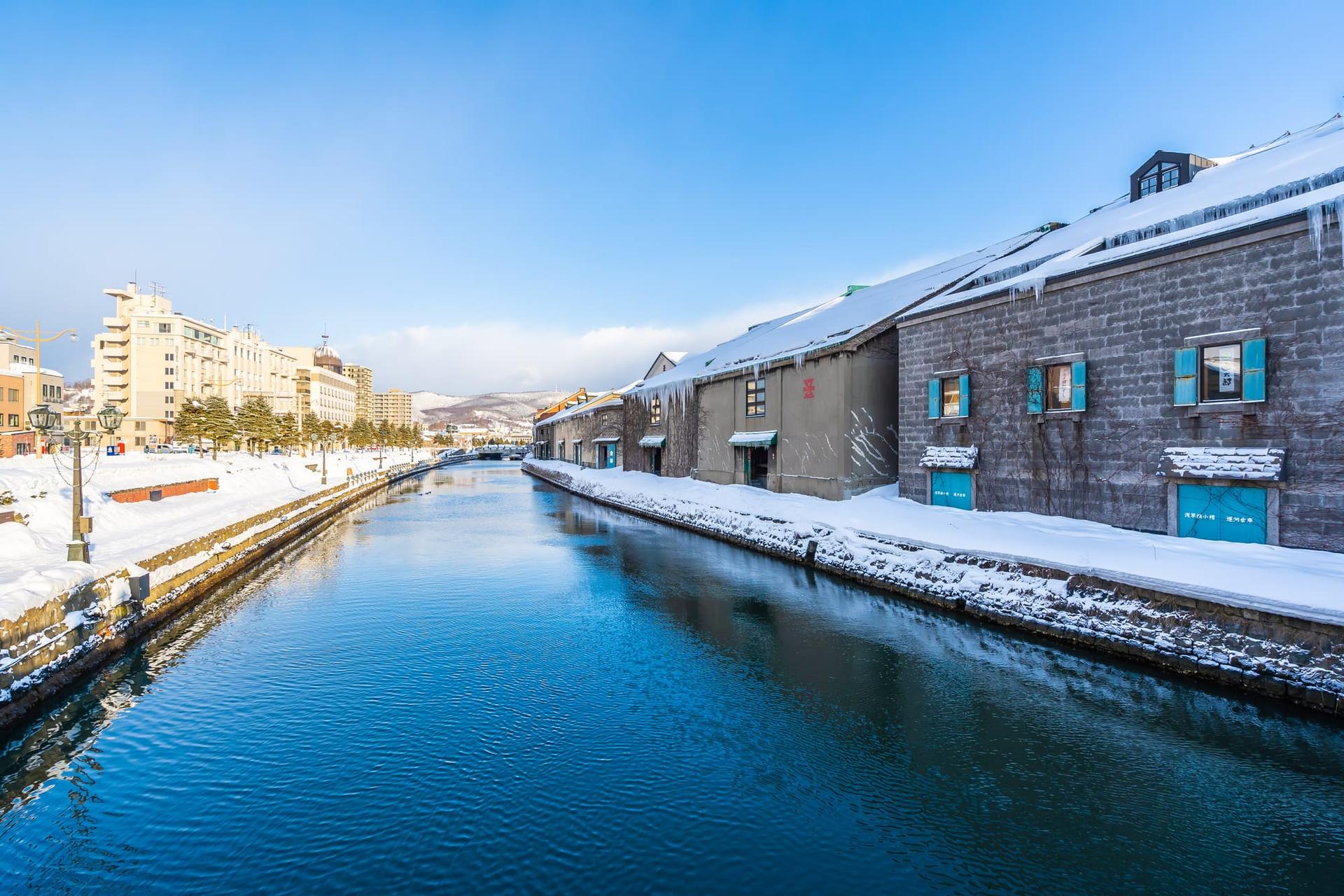
Otaru is the "I only have a day" pick. It's about 10 minutes on foot from JR Otaru Station, and the Rapid Airport train gets you from Sapporo in as little as 32 minutes (75 from New Chitose Airport).
Winter here means the Blue Canal illumination and the candlelit Otaru Snow Light Path. This season's Blue Canal runs to January 31, 2027, from sunset to 22:30, between Asakusa Bridge and Chuo Bridge, and the 2027 Snow Light Path is set for February 6 to 13. Same canal, two very different winters, so if your dates allow, catch both.
Heads-up: sidewalks freeze. Shoes with grip matter more than a cute coat.
 Written by Mei · IKOKA Japan