Why is Himeji Castle called the White Heron? Its walls, even its roof-tile joints, wear white lime plaster. Here's the story, a timeline and how to visit.
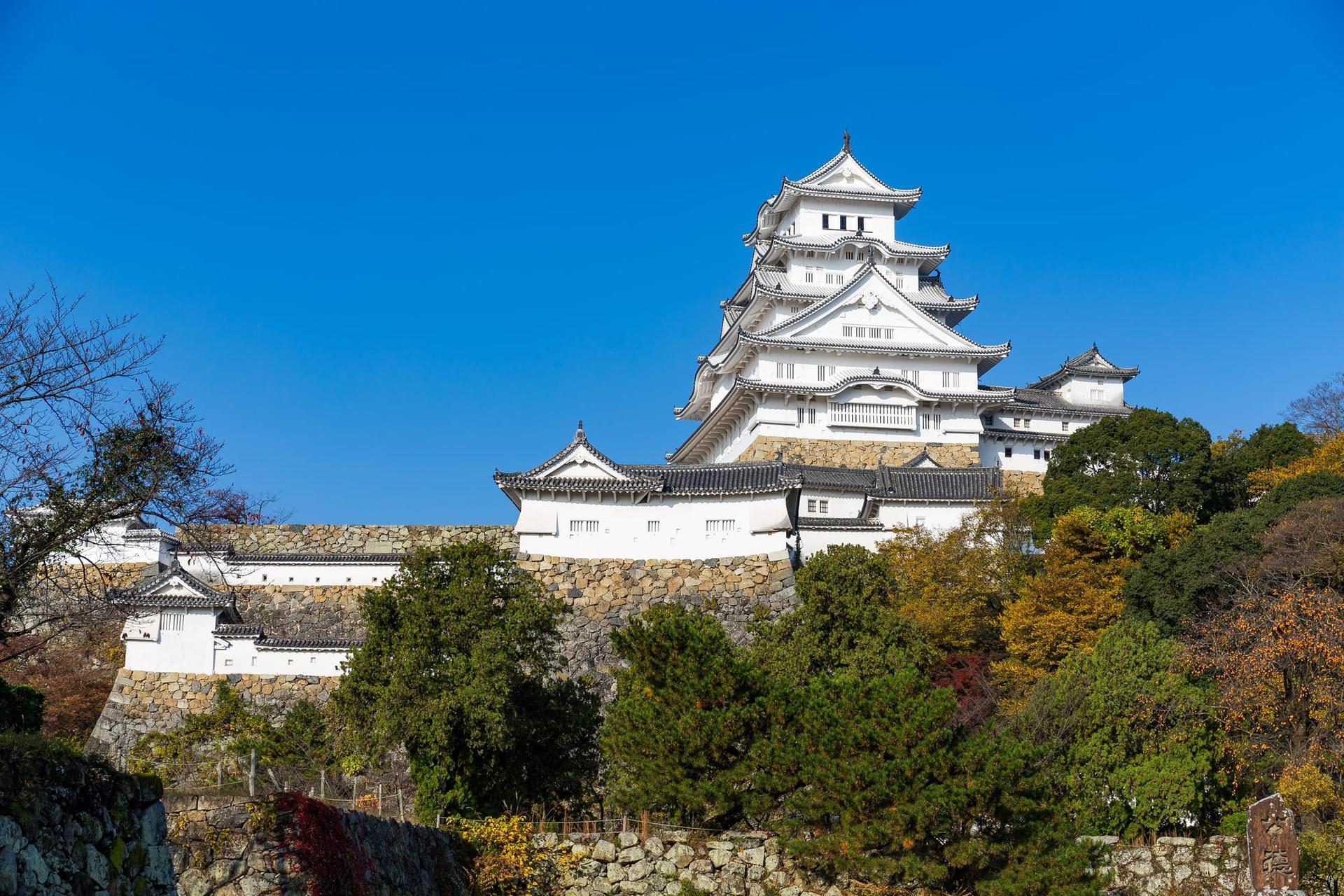
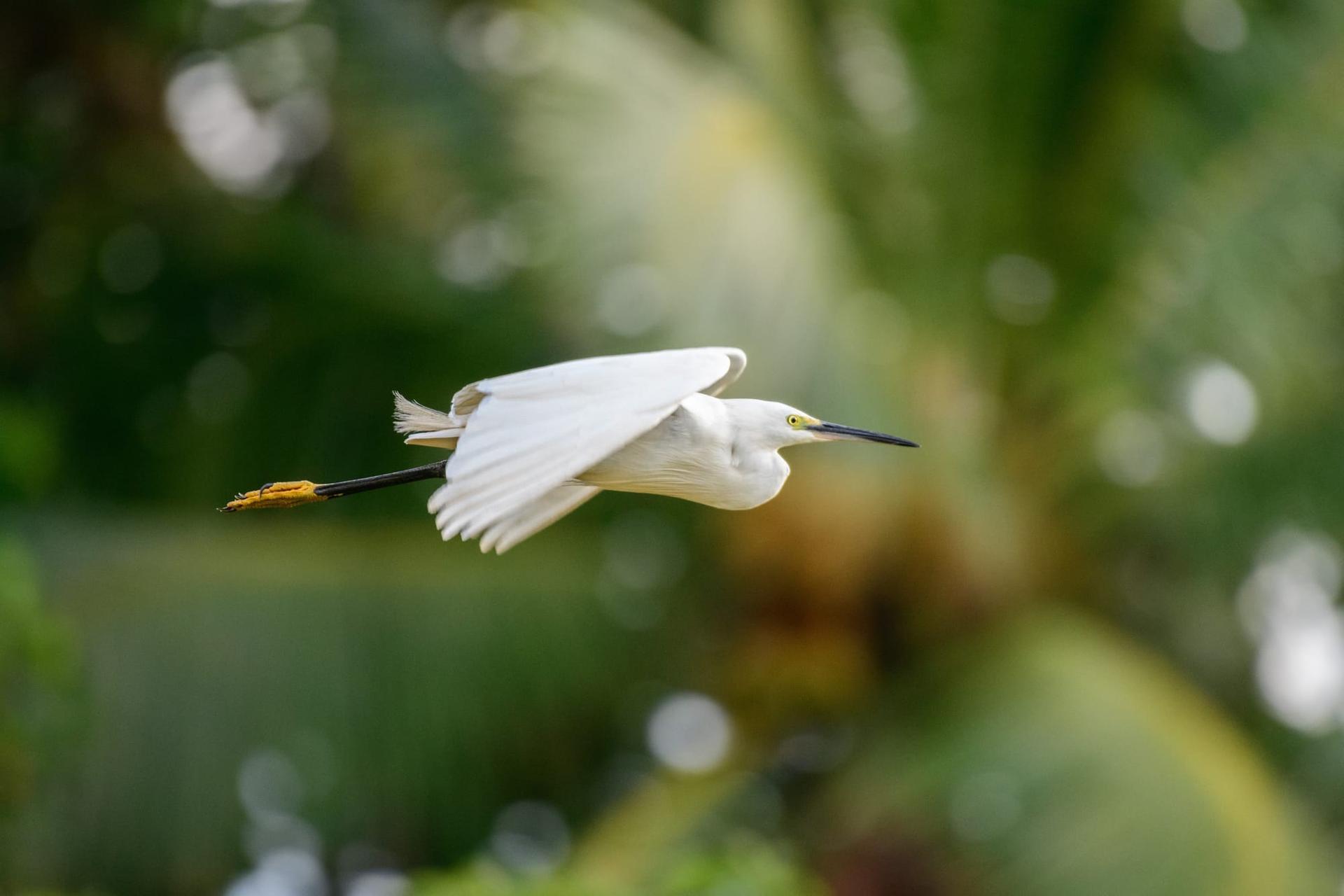
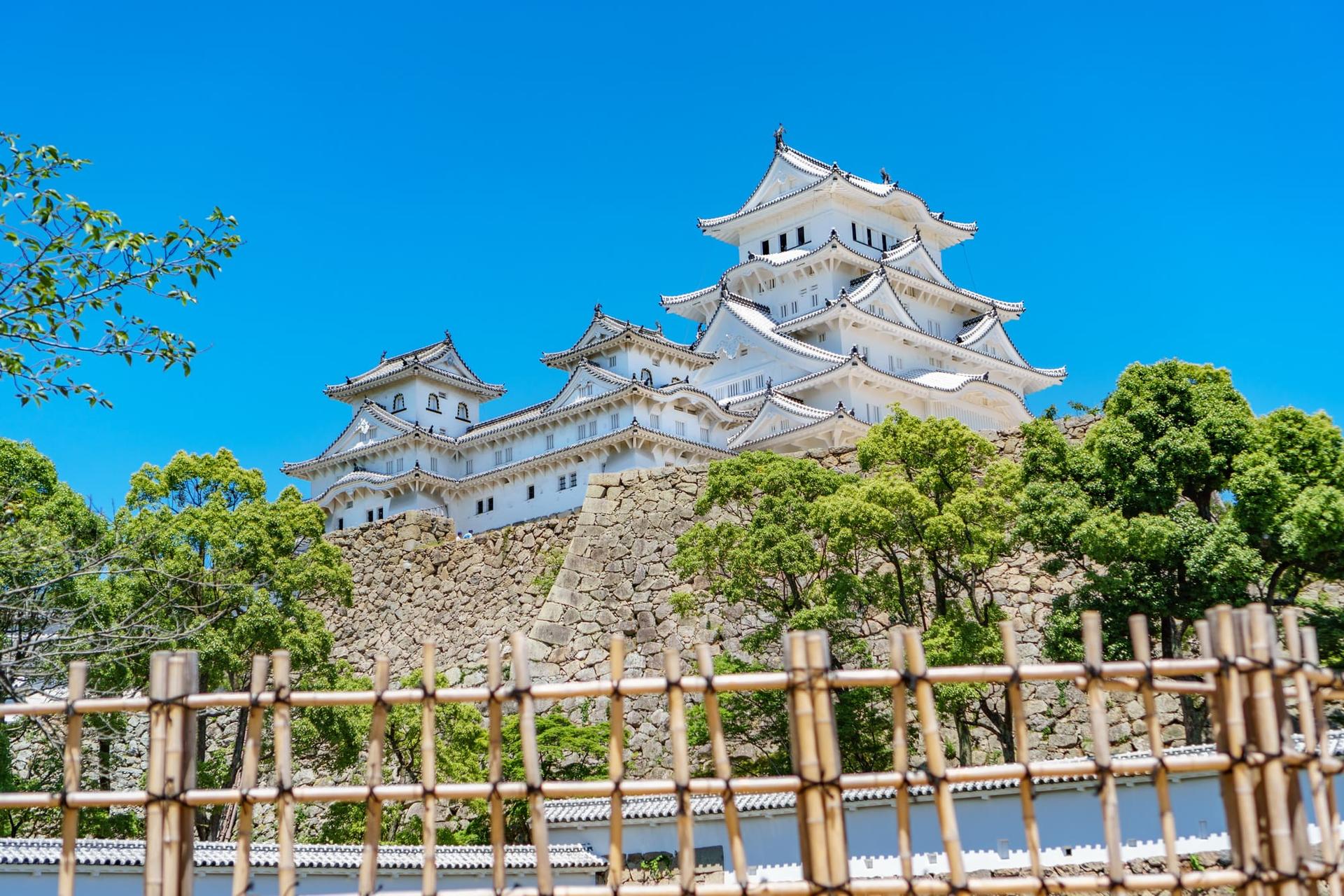
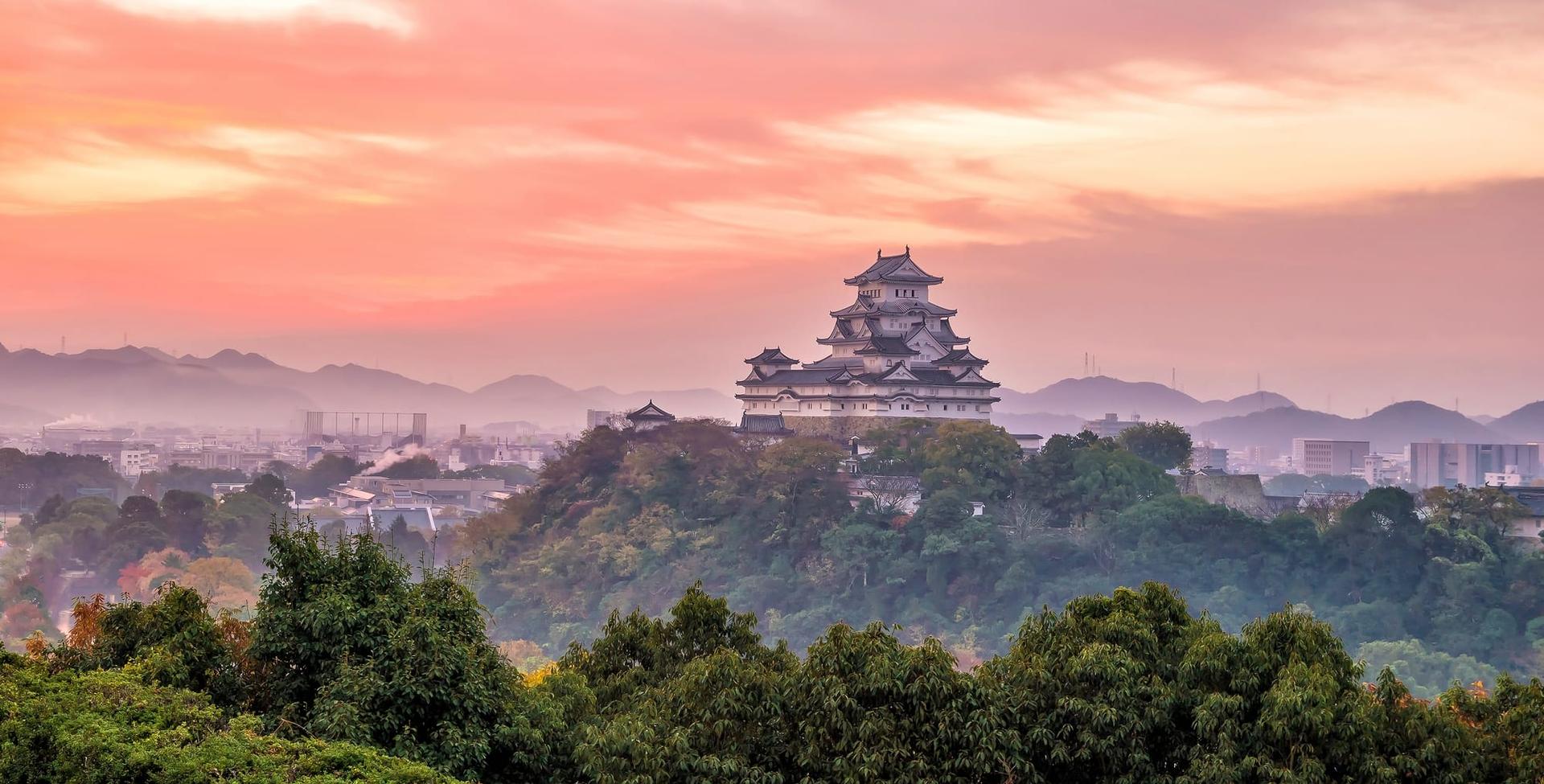
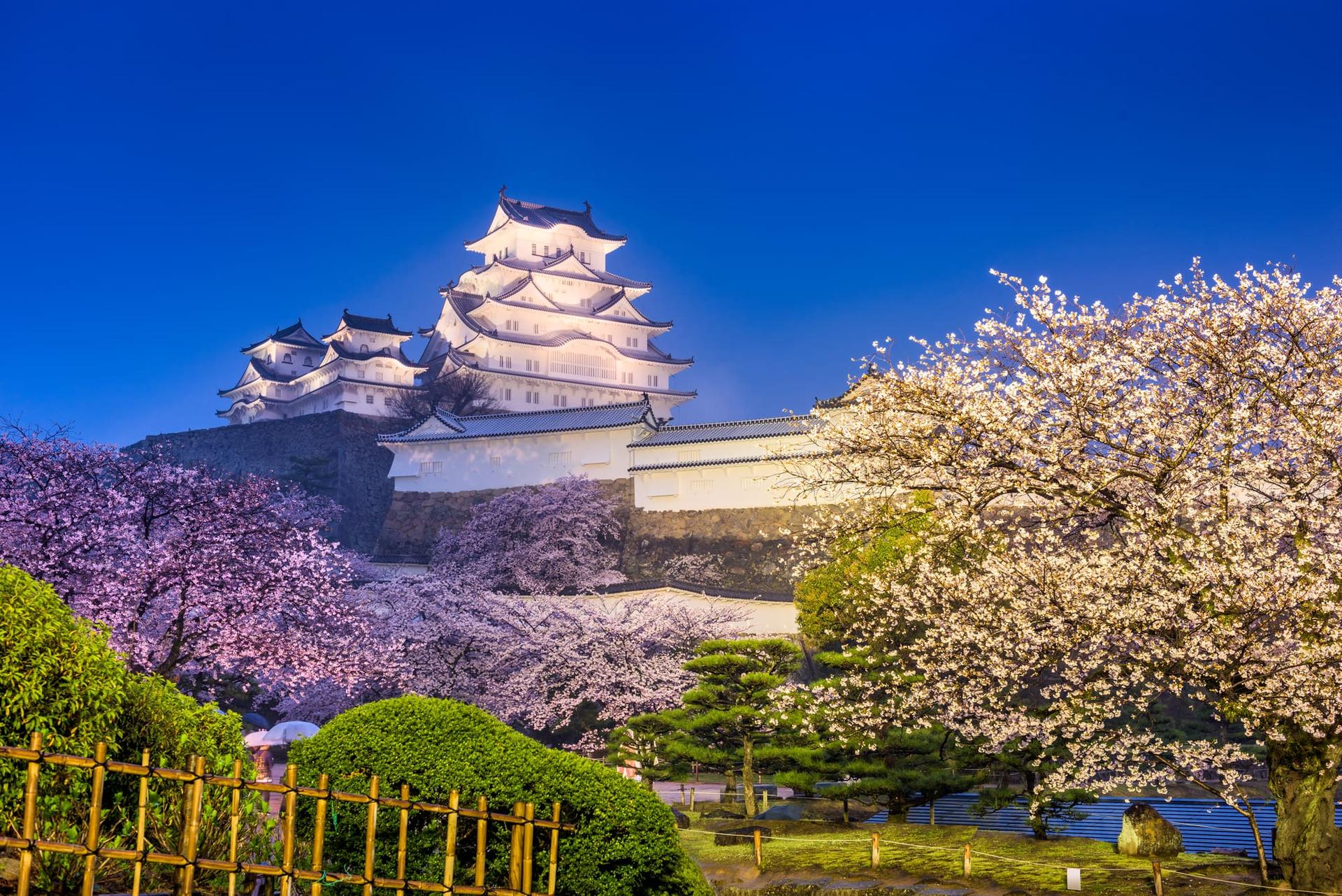
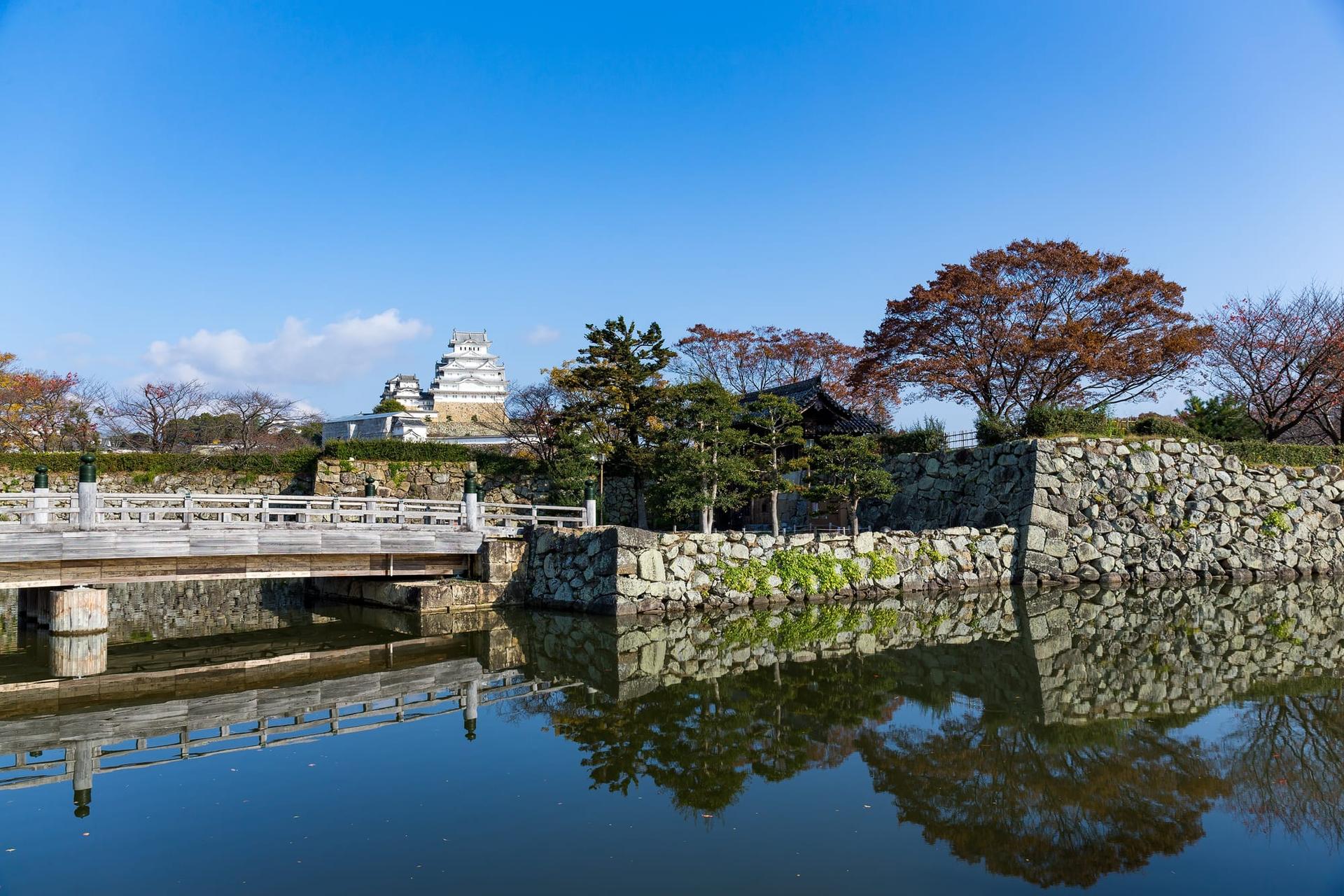
Himeji Castle is called Shirasagi-jo, the "White Heron Castle," because its outer walls, right down to the joints between the roof tiles, are coated in white lime plaster, so the whole thing looks like a white heron spreading its wings. The keep you see today is the one Ikeda Terumasa rebuilt between 1601 and 1609.
At a glance
Nickname
白鷺城 Shirasagi-jo = White Heron Castle
Why it's white
Shiro-shikkui so-nurigome: every outer surface coated in white plaster
Present form
Linked keep complex finished in 1609
What survives
8 National Treasure and 74 Important Cultural Property buildings
At night
White light-up from sunset to midnight
Admission
¥2,500 (18 and over), free under 18
My manga notebook has a page called "castles I'll draw someday," and Himeji sits right at the top. The reason? Honestly, the nickname is just too pretty.
Himeji Castle White Heron Meaning: A Bird With Its Wings Open
Sources
Facts in this article were checked against these official sources.
Shirasagi (白鷺) means white heron, or egret. Japan's national tourism organization says the castle's pure white-plastered walls look like a dancing heron with its wings stretched out, and that's where the nickname comes from.
Here's a fun coincidence. In 1618, Honda Tadamasa built the castle's west bailey, the Nishi-no-maru, on a hill called Sagiyama, literally "Heron Hill." Nobody official says the nickname came from that hill, but I still gave this line three stars in my notebook.
Why Is Himeji Castle So White? Plaster, Even on the Roof Joints
The secret has a mouthful of a name: shiro-shikkui so-nurigome-zukuri. It means every surface that faces the outside gets a coat of white plaster. According to the castle's official guide, a lot of castles only plastered the outside, but Himeji did both sides of the walls, plus the earthen perimeter walls and the joints between the roof tiles. That's why it looks so unusually bright.
And the recipe? Two kinds of lime (one from stone, one from shells), a hemp fiber called susa, water, and a paste of boiled seaweed. Aoto stopped scrolling right there. "Seaweed? In a castle wall?" Same, Aoto. Same.
It's not just for looks, either. Plaster protects wooden buildings from fire and from rot, and the thick coat helped the castle stand up to fire and bullets. On the outside of the keep it's about 30 mm thick, and only 2–3 mm on the inside.
From the air it really does look like wings. This 3-minute drone video from Himeji City's official channel circles the main keep and its three smaller keeps, all linked by turrets.
Plays from youtube-nocookie.com after you tap.
Himeji Castle History: From a 1333 Fort to World Heritage
Year
What happened
1333
Akamatsu Norimura builds a fort on Himeyama hill
1346
Akamatsu Sadanori builds a full castle
1580
Hashiba Hideyoshi raises a three-storey keep
1601–1609
Ikeda Terumasa's big rebuild, linked keeps finished
1617
Honda Tadamasa adds the San-no-maru and Nishi-no-maru
1931
Keep named a National Treasure
1956–1964
Showa-era dismantling repair
1993
One of Japan's first World Cultural Heritage sites
2009–2015
Heisei repair, grand reopening in 2015
This is the part that gives me goosebumps. Himeji City calls it a castle that was never caught up in battle in 400 years and never damaged in modern wartime. When bombing raids destroyed the city in 1945, the castle came through mostly unscathed. Over all that time, 13 clans and 48 lords held it. Four hundred years without a single battle. I still can't quite believe that.
There's a legend too. The master carpenter, Sakurai Genbei, was haunted by the feeling that his finished keep leaned to the southeast. Centuries later, the dismantling repair showed it really did lean, because the stone walls on the east and southeast had sunk.
Heading to Himeji? The same city throws one of Japan's wildest autumn festivals.
After sunset the castle glows white until midnight. The city actually tested lights on a reproduction of the plaster walls to find the white that makes them look best. Every night at 8 pm and 9 pm there's also a 15-minute seasonal color show. This "Saiun" light-up was designed by lighting designer Motoko Ishii.
One heads-up. From early July 2026 to around late July 2027, repairs around the main keep (the Ni-no-yagura turret, the Mizu-no-nimon gate and more) include fresh plaster on roofs and walls. The city says the work affects the view of the main keep and the night light-up. Think of it as the heron changing into new feathers. Kind of special to see, right?
How to Visit Himeji Castle: Tickets, Hours, Access
Admission
¥2,500 (18 and over), ¥1,000 for Himeji residents, free under 18
Combo ticket
Himeji Castle + Kokoen garden ¥2,600
Hours
9:00–17:00, last entry 16:00
Closed
December 29 and 30
Getting there
Shinki bus from Himeji Station north exit to Otemonmae, then about 5 min on foot; or about 20 min on foot from JR or Sanyo Himeji Station
The main keep lets in up to 1,000 people an hour, so on busy days you might wait at the entrance. Pairing it with Osaka Castle on the same day? Check the Osaka Castle crowd forecast first.
Last one: Himeji City's official channel made this English-narrated "white" tour of the castle and the town around it. Perfect for picturing your walk.
 Written by Mei · IKOKA Japan